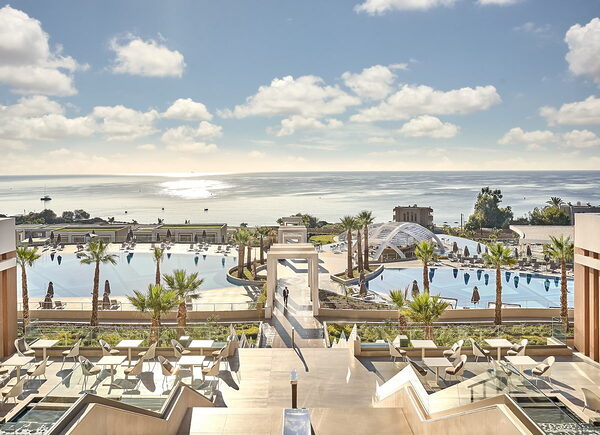
Two Decades of Leaving Southern California on Purpose and the Destinations That Earned a Second Trip (and a Third)
My wife and I have an argument that never gets settled. It starts on the flight home, somewhere over the Pacific or the Atlantic, usually before the first drink shows up. Where next? Living in Southern California makes that a harder question than it sounds. We have the beach, the mountains, the desert and some of the best tacos on the planet inside a two-hour drive. Leaving takes a reason.
Over the past couple of decades, we’ve found 18 of them. These are the places we went once, talked about for a year and then went back to. A few of them we’ve been to more times than we can count. Every one has a meal, a view or a story we still bring up at dinner, and for each one, we’ve tried to pass along what we wish someone had told us before the first trip. Here they are, and here’s how to do them right.
Florence, Italy
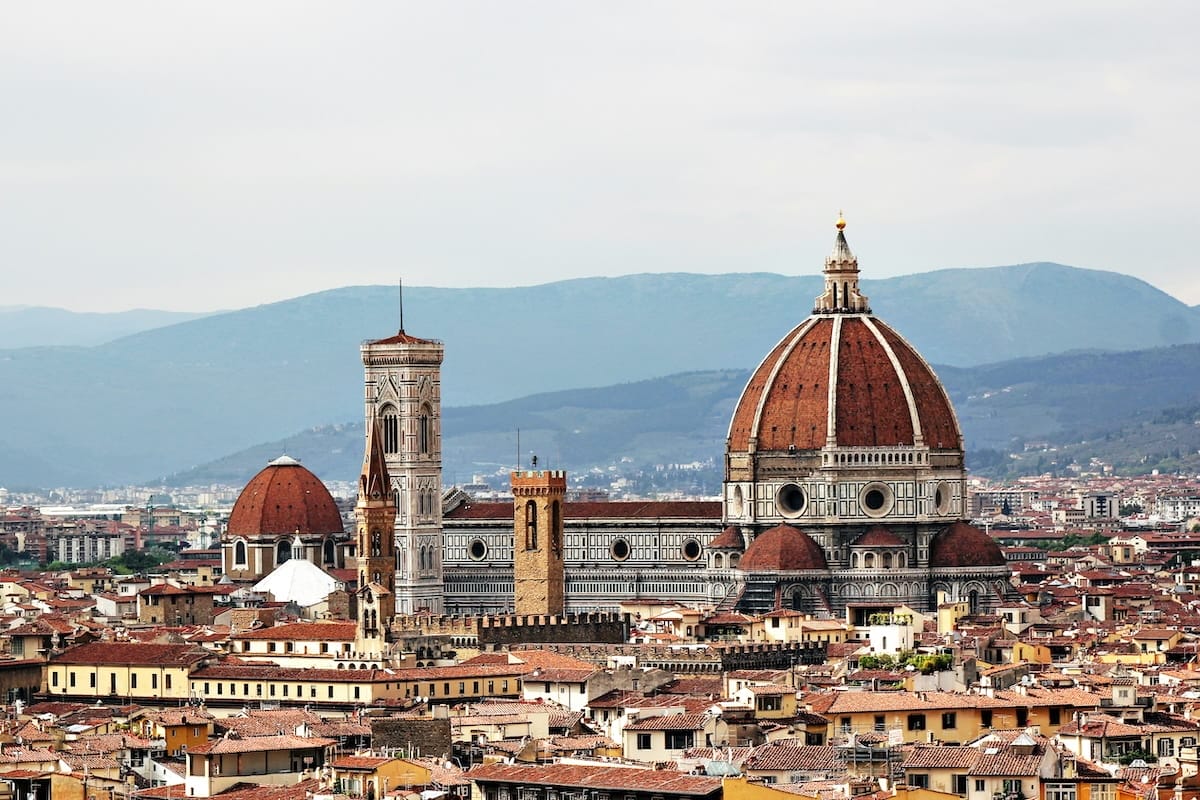
We’ve been to Florence three times, and if you made us pick one city to keep, this is it. It’s small enough to walk end to end in half an hour and deep enough that we’ve never run out of things to do. The food is ridiculous. Art is everywhere, not just in the museums. And the people have a way of treating you like a regular by the second morning.
On our last trip, we rented bikes and rode along the Arno at sunrise before the tour groups showed up. At 8 a.m., the Piazza del Duomo is nearly empty and the light is golden. Dome climbs start at 8:15 a.m. (12:45 p.m. on Sundays), and the first slot of the day is the one to grab. Filippo Brunelleschi finished the dome in 1436, and it’s still the largest masonry dome ever built. The climb is 463 steps with no elevator and, halfway up, you’re walking between the inner and outer shells. A timed reservation is required, and summer slots sell out days ahead.
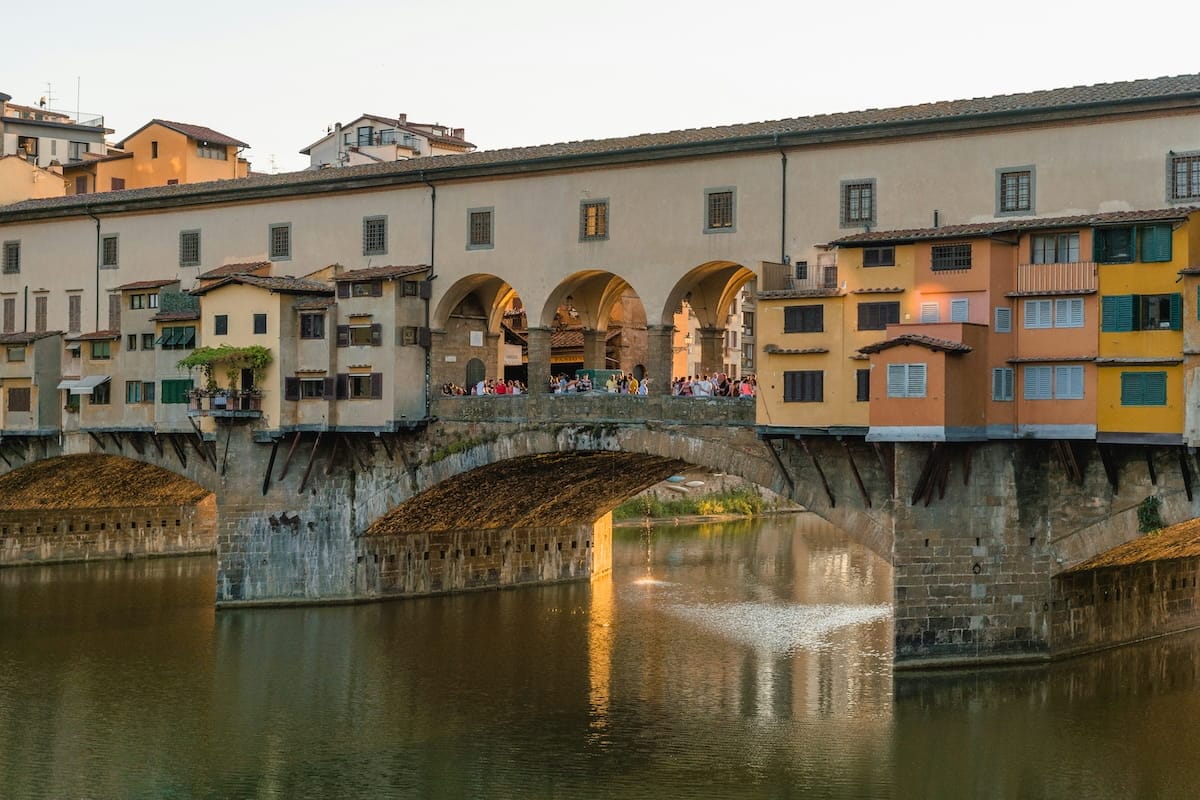
When the crowds arrive, cross the river to the Oltrarno. Piazza Santo Spirito is where Florentines actually eat and drink, and the side streets are still full of working leather and paper shops. Get a bistecca alla Fiorentina at least once. It’s sold by the kilo, cooked rare and meant to be shared. Nobody will cook it well done, so save yourself the conversation.
Don’t Miss
- A buchetta del vino. These little wine windows cut into the palazzo walls date back to the 1500s, and a handful have reopened. Knock, hand over a few euros and receive a glass.
- The walk up to San Miniato al Monte above Piazzale Michelangelo, for the view everyone photographs and the monks’ sung vespers almost nobody stays for.
- Gelato on the Ponte Santa Trinita at sunset, looking at the Ponte Vecchio. It’s the better bridge to stand on.
Stay: Hotel Lungarno, Oltrarno. The Ferragamo family’s hotel sits right on the Arno with the Ponte Vecchio out the window.
Eat: Trattoria Sostanza, Santa Maria Novella. Open since 1869, it has shared marble tables and the pan-sizzled chicken breast in butter (pollo al burro) people fly in for. It’s closed weekends, so plan a weekday.
Off the beaten path: take the No. 7 bus from Piazza San Marco 20 minutes up to Fiesole, the Etruscan hill town above the city, for a Roman theater and a view of Florence most visitors never see.
Local Insight: go in late September or October, after the summer crowds thin out. It’s harvest season in Chianti, and the evenings are cool enough to walk for hours.
Rhodes, Greece
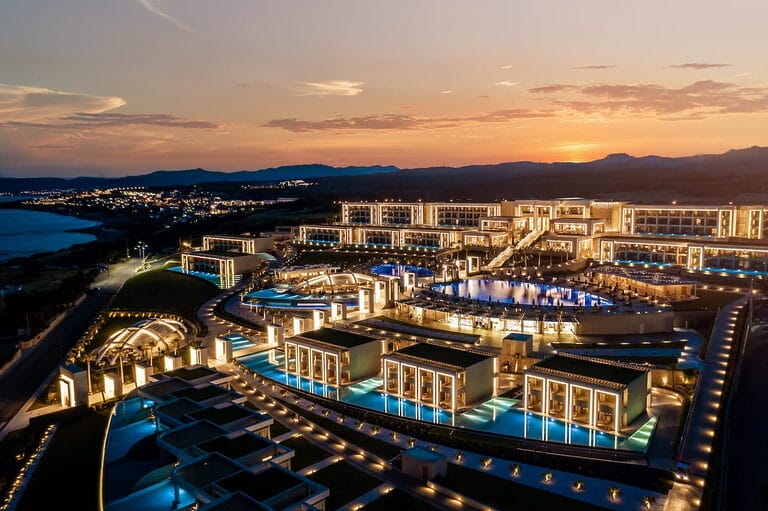
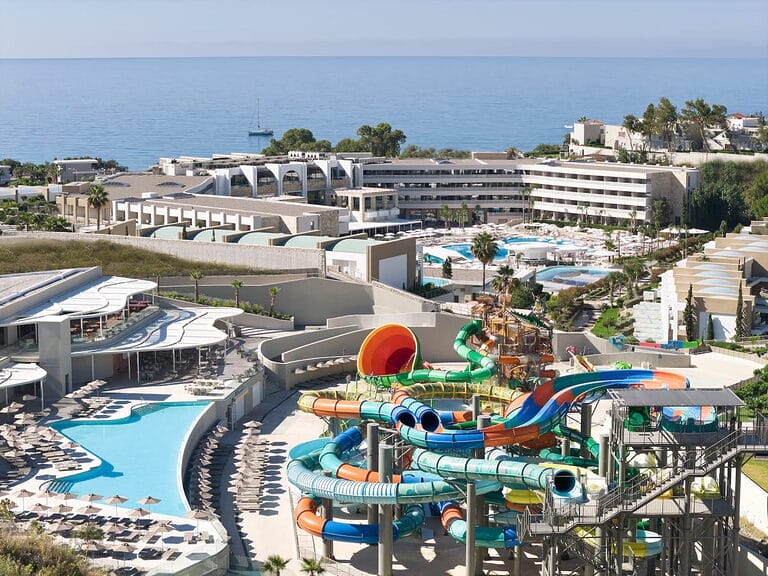
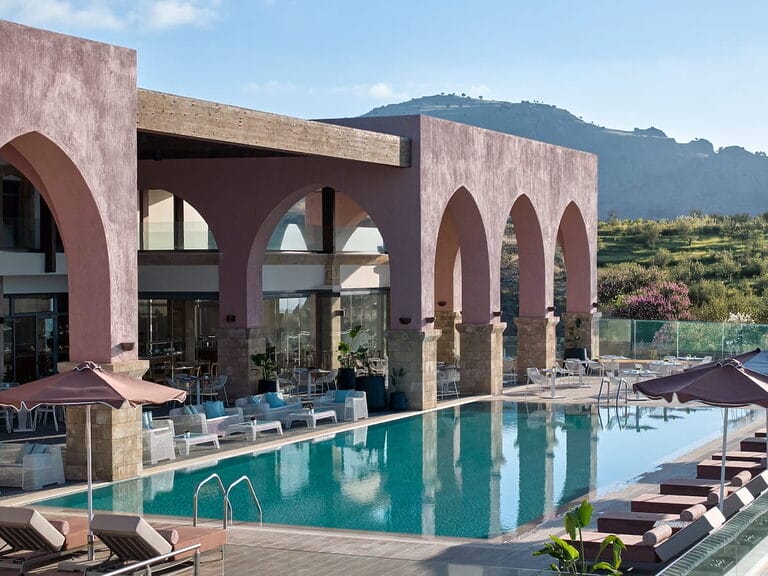
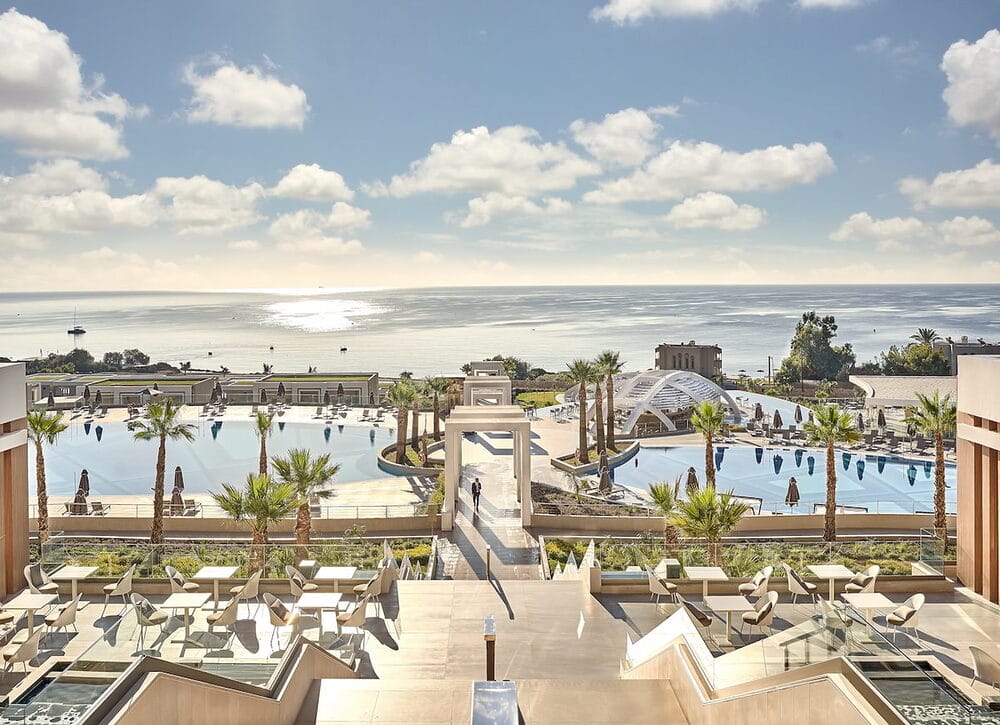
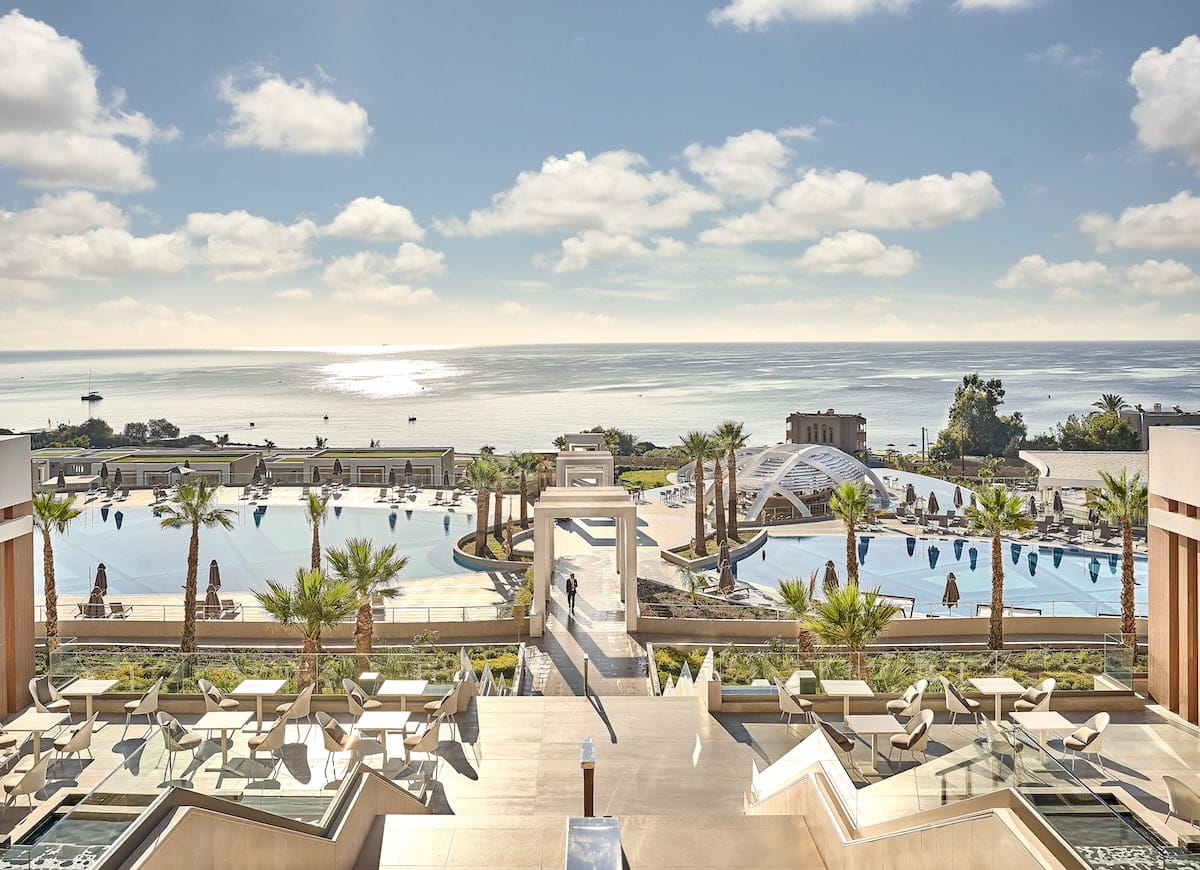
Rhodes was our most recent big trip and the one that surprised us most. It’s a big island, about 50 miles long, and it sits roughly 11 miles off the coast of Turkey. On a clear day you can see Turkey from the east-side beaches. What you won’t see are many Americans. Most of the visitors are European, which means the resorts run a little slower and the prices haven’t caught up with Mykonos. You can set whatever speed you want. We did a bit of both: a few days of doing nothing by the pool and a few days of driving to a different village every afternoon.
Old Town alone is worth the flight. The Knights of St. John built it between the 1300s and 1500s, and it’s one of the best-preserved walled cities in Europe. Rhodes was also home to the Colossus, one of the Seven Wonders of the Ancient World, until an earthquake took it down in 226 B.C. Walk the Street of the Knights up to the Palace of the Grand Master around 6 p.m., after the cruise ships leave. From April through October, the palace stays open until 8 p.m., but the rest of the year it closes at 3:30 p.m., so plan a morning visit instead.
We stayed at three H Hotels Collection properties on this trip, and every one was top-notch: Mayia Exclusive Resort & Spa, Boutique 5 Hotel & Spa and Princess Andriana Resort & Spa. Mayia and Boutique 5 are the adults-only options, while Princess Andriana is the one to book with kids. They run seven resorts on the island, six of them along the quieter southeast coast between Kiotari and Lindos and one in Ixia, just outside Rhodes Town.
Don’t Miss
- The Acropolis of Lindos right when it opens at 8 a.m., before the heat and the tour buses. The whitewashed village below is the postcard.
- A day on Symi. The fast boat from Rhodes Town takes under an hour and drops you in one of the prettiest harbors in Greece. If you’re staying on the southeast coast, budget an hour or so to drive to the port first.
- Prasonisi at the southern tip, where the Aegean meets the Mediterranean on either side of a sandbar. Kitesurfers on one side, flat water on the other.
- Anthony Quinn Bay, a cove named for the actor who fell in love with it while filming “The Guns of Navarone.”
Stay: any of the three H Hotels above; Mayia is the best if it’s just the two of you.
Eat: Mavrikos, Lindos. Run by the same family since 1933, it’s the most famous table on the island.
Off the beaten path: Kritinia Castle on the west coast, a crumbling Knights-era fortress on a hill above the sea, free to enter and almost no one around at sunset.
Local Insight: rent a car. The best beaches, villages and tavernas are nowhere near the resort strips.
Paris, France
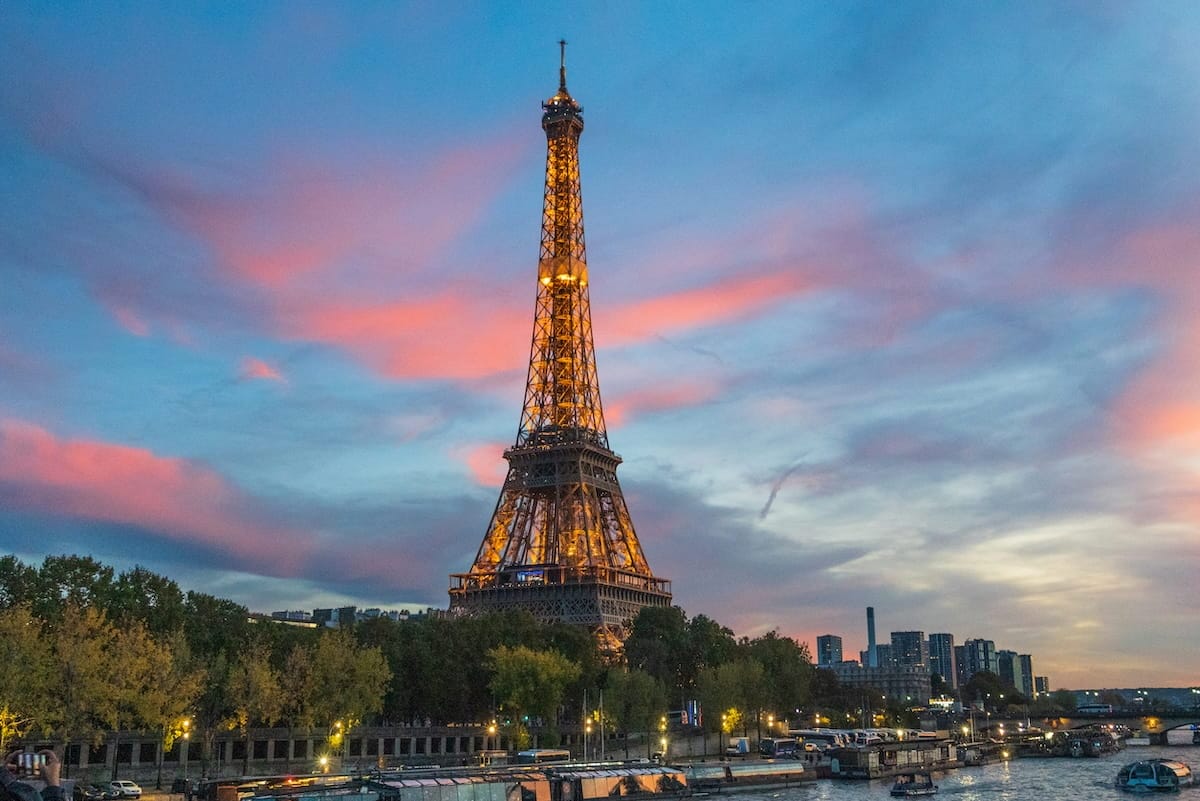
We’ve taken five trips to Paris and are booked for a sixth next spring. It’s our favorite big city in the world. We’ve done it as a couple, and we’ve done it with my brother, my sister-in-law and niece, and it works both ways. There’s something old and something new around every corner, and the only thing that changes is how good you get at skipping lines.
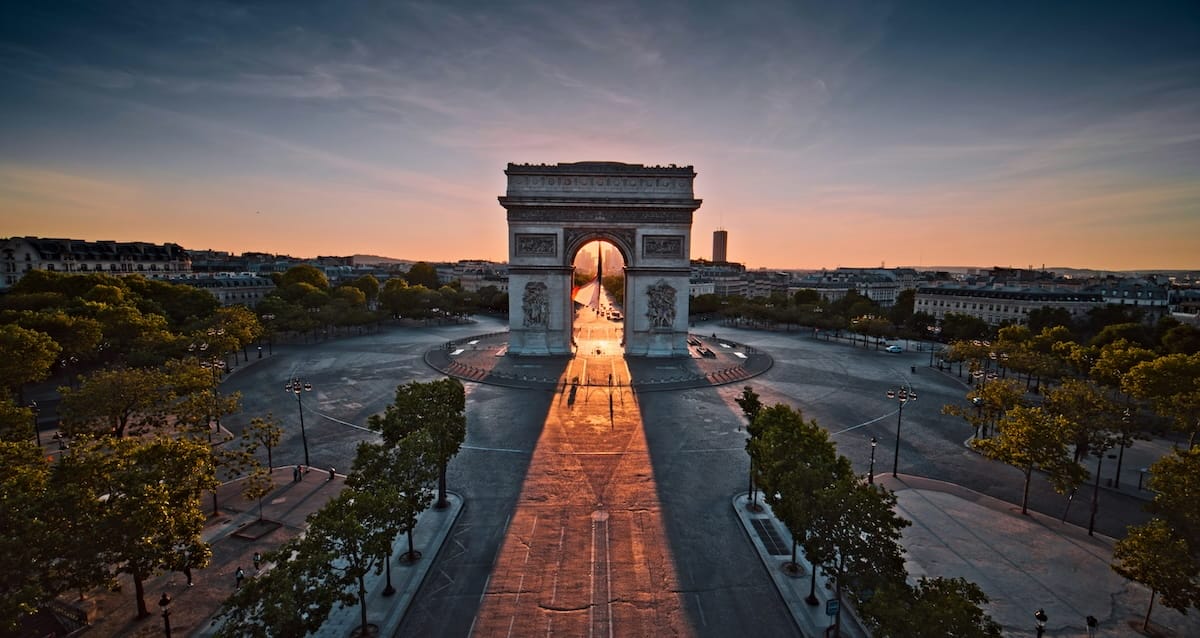
Everyone goes up the Eiffel Tower. Go up the Arc de Triomphe instead. It’s 284 steps, there’s no two-hour wait and, from the top, you’re looking straight down the Champs-Élysées with the tower off to one side and all 12 avenues fanning out below you. Then go sit on the Champ de Mars with a baguette, some cheese and a bottle of wine, and wait for the tower to sparkle. It does it for five minutes at the top of every hour after dark, and it gets us every time. (Police sometimes ban alcohol on the Champ de Mars in the evenings, so check the signs before you pour.)
The city has changed since our first visit, mostly for the better. The Olympic cleanup of the Seine actually worked, and in the summer of 2025, Paris opened public swimming spots in the river for the first time in 100 years. We haven’t jumped in yet, but it’s on the list.
Don’t Miss
- The Musée de l’Orangerie. Monet’s “Water Lilies” fill two oval rooms he designed for them, and you can see the whole museum in 90 minutes. Book a timed ticket online, and note it’s closed Tuesdays.
- Lunch at Marché des Enfants Rouges in the Marais, the oldest covered market in Paris, dating to 1615. It’s closed Mondays.
- A Sunday morning at the Saint-Ouen flea market, the largest antiques market in the world, and a walk along Canal Saint-Martin after.
- The Paris Museum Pass. It pays for itself in two days, but the big ones, including the Louvre and Orsay, still require a free timed reservation, so book those slots as soon as you buy the pass.
Stay: Hôtel Plaza Athénée, Avenue Montaigne. Think red awnings and Eiffel Tower views from the upper floors.
Eat: Septime, 11th arrondissement. It’s the hardest reservation in Paris. Books open daily at 10 a.m. Paris time (1 a.m. in California most of the year) for three weeks out, and it’s closed weekends.
Off the beaten path: the Promenade Plantée (now officially the Coulée verte René-Dumont), an abandoned elevated rail line turned garden walk that runs nearly 3 miles from Bastille toward the Bois de Vincennes. It opened in 1993 and inspired New York’s High Line.
Local Insight: visit during spring or fall. August is when Parisians leave town and half the good restaurants close with them.
Capri, Italy
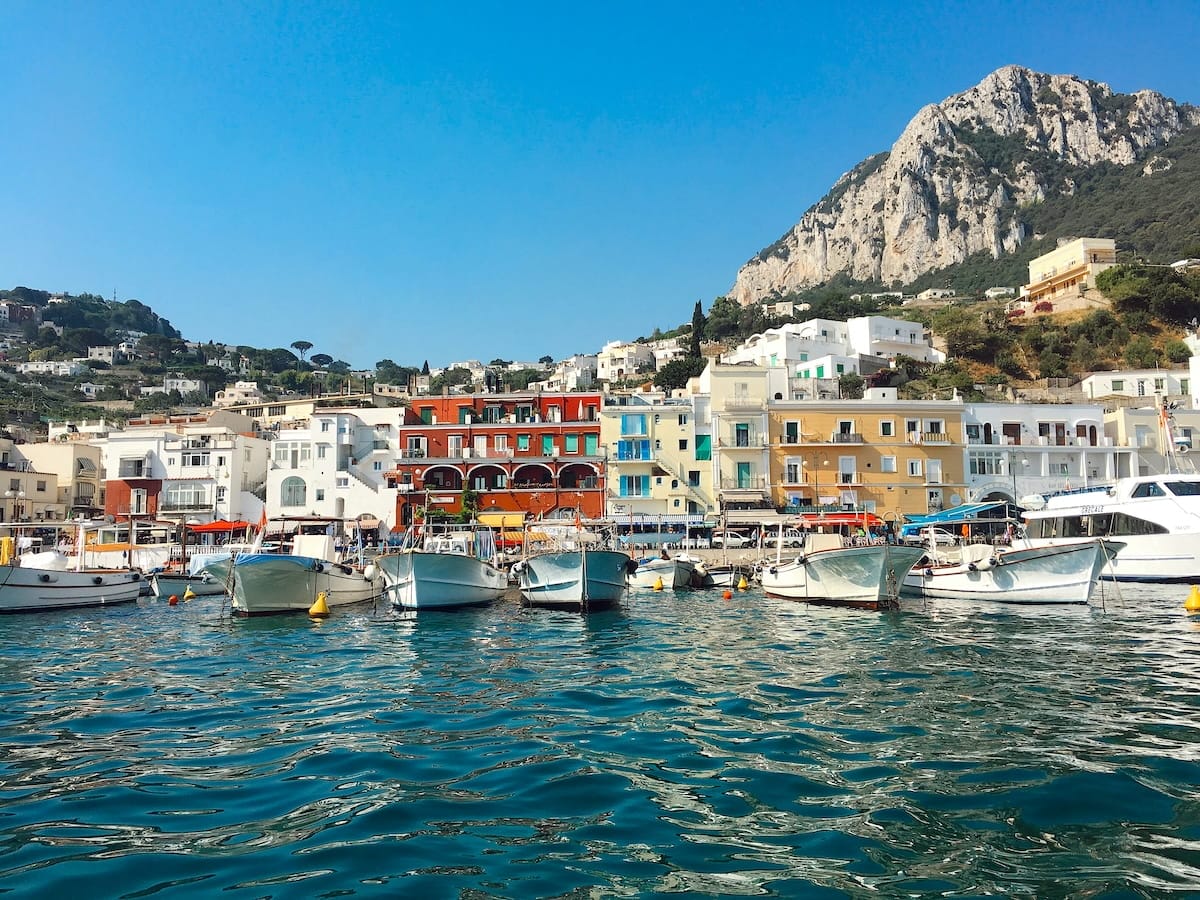
Capri was our most memorable vacation, and it’s the one we’d rank first if it weren’t so expensive. The island just stays with you. We still talk about the chairlift to the top of Monte Solaro, a single-seat ride that takes about 13 minutes and drops you at the highest point on the island with the Faraglioni rocks and the Amalfi Coast spread out underneath. We still talk about the beach clubs tucked under the cliffs, where the best way in is by boat. And we still talk about the bill.
Here’s the thing about Capri. The day-trippers come over from Naples and Sorrento at 10 a.m., see the Blue Grotto, shop Via Camerelle and leave by 5 p.m. Stay the night. The Piazzetta at aperitivo hour, the funicular with no line, the rocks going pink at sunset: that’s a different island, and it’s the one worth paying for.
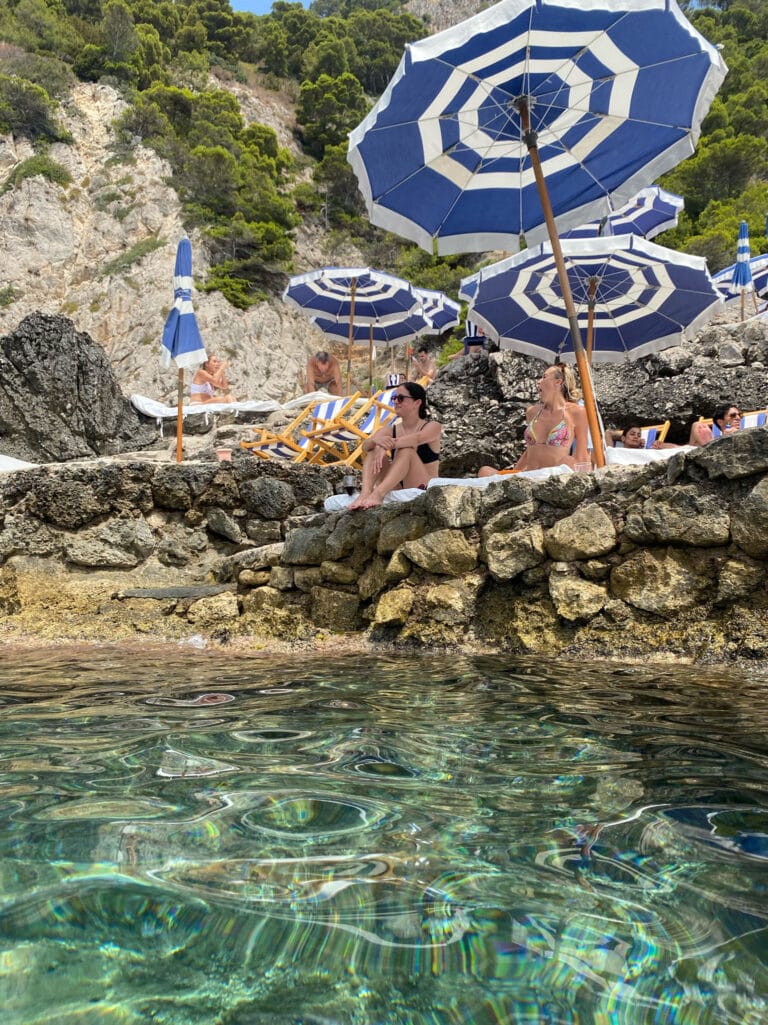
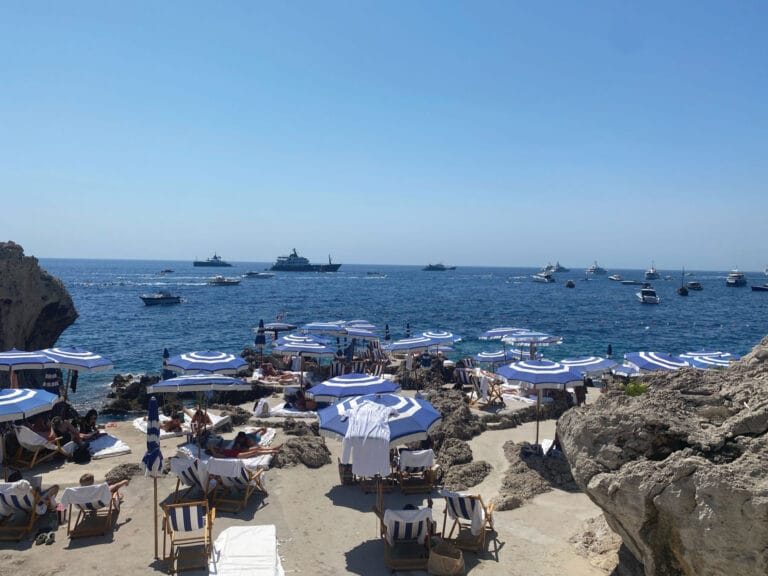
The beach clubs are the main event. Da Luigi ai Faraglioni has been sitting at the foot of the three rocks since 1936. You walk down from Via Tragara or take the shuttle boat from Marina Piccola for 10 euros each way. La Fontelina is next door, with blue-and-white-striped umbrellas, and we had one of the best lunches of our lives there: whole fish baked in salt, cold white wine and affogatos for dessert. Reserve loungers weeks ahead in July and August.
Don’t Miss
- A private boat around the island with a local captain. Ours fed us peaches and wine from his own vineyard and steered us through the arch in the middle Faraglione. Tradition says you kiss as you pass under it.
- The Pizzolungo trail from the Arco Naturale to Punta Tragara, an hour of cliffs and sea with almost nobody on it.
- Villa San Michele in Anacapri, built over Roman ruins, with a sphinx on the terrace that has the best view on the island.
- Dinner under the lemon trees at Da Paolino, finished with a shot of limoncello.
Stay: J.K. Place Capri, Marina Grande. The 22-room house above the harbor feels like a friend’s villa.
Eat: L’Olivo, Anacapri. Inside Jumeirah Capri Palace, it’s Capri’s only two-Michelin-star restaurant.
Off the beaten path: the Punta Carena lighthouse on the far side of Anacapri, where locals go to swim off the rocks and watch the sun go down with nobody from the Piazzetta in sight.
Local Insight: Capri runs on a season. Most beach clubs, hotels and restaurants open in April or May and close by mid-October, so plan for late spring through September. A beach club day for two with lunch runs several hundred euros. It’s also the most beautiful place either of us has ever been. Both things are true.
Copenhagen, Denmark
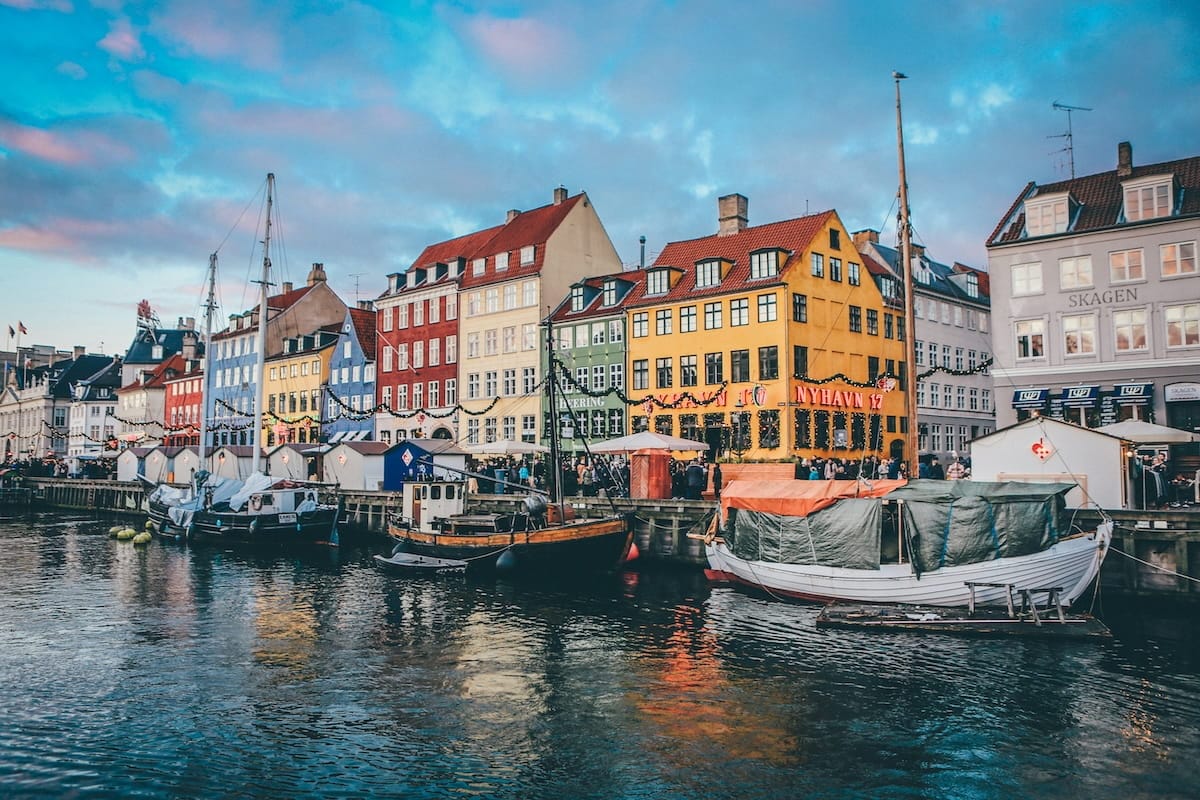
Copenhagen started as our layover city. It’s an easy stop on the way to the rest of Europe, so we gave it a day the first time and two days the second. On the third trip, we stopped pretending and gave it a week. It’s a real contender for the top of this list.
The first thing that hits you is the bikes. By the city’s own count, 62 percent of residents ride to work or school and just 9 percent drive. The city, private foundations and the national government have put about 2 billion kroner into bike lanes and bridges since 2004, and it shows. Rent one on the first morning to see the city the way it was designed to be seen. The second thing is the water. Nyhavn, the canal with the painted townhouses, was dug in the 1670s and is now one of the most photographed spots in Scandinavia. Walk it, then leave it. The harbor itself is clean enough that locals jump in at the Islands Brygge baths on their lunch break, and a GoBoat, a little electric picnic boat you drive yourself, is the best two hours in town. No license required.
The third thing is the food, which might be the best of anywhere we’ve been. Reffen (open mid-March through September), the open-air street food market on the old shipyard, is the casual version. Torvehallerne, the covered market by Nørreport, is where to eat smørrebrød the right way. The serious restaurants open their reservations months out, so plan accordingly.
Don’t Miss
- The 40-minute train north to the Louisiana Museum of Modern Art, where the sculpture garden runs right down to the sea. It’s closed Mondays.
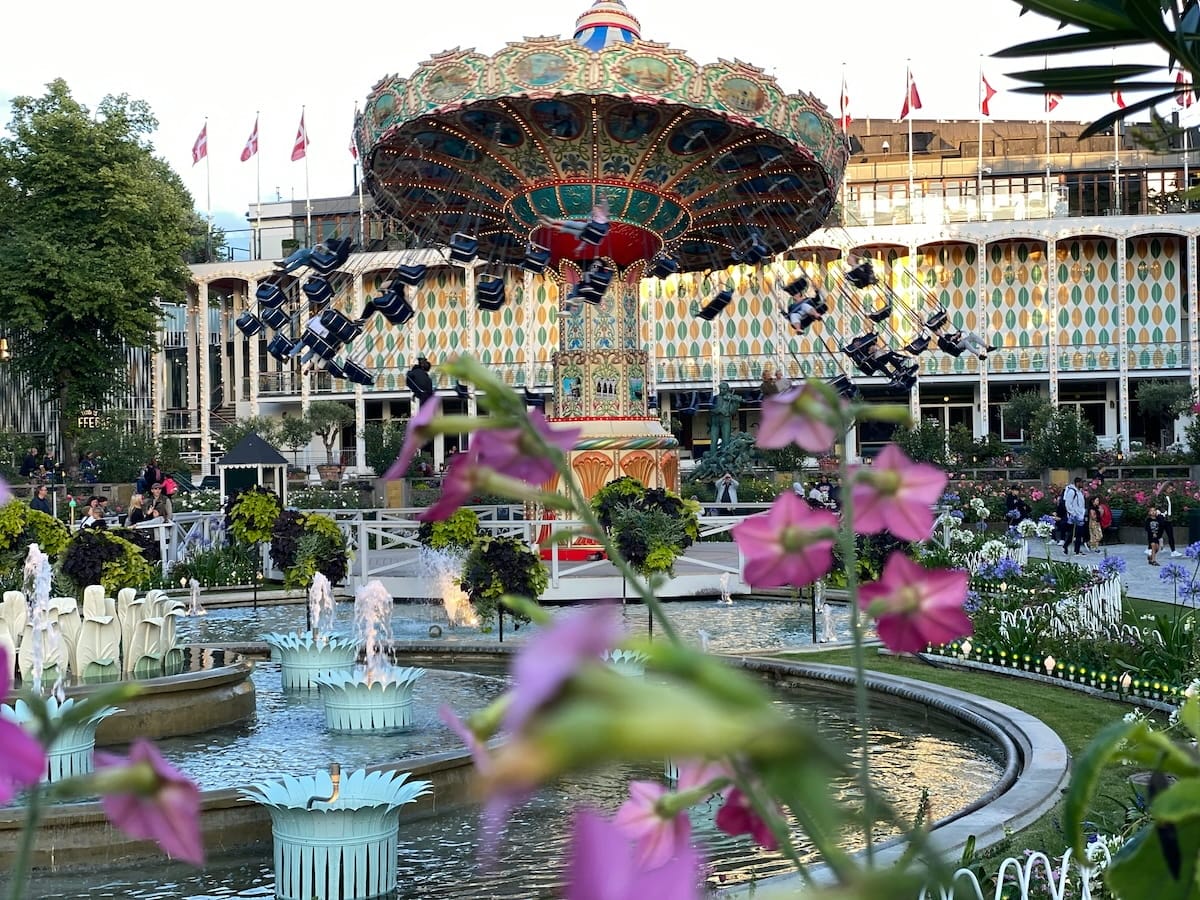
- Tivoli Gardens on a summer night. It opened in 1843, and it’s still the heart of the city after dark.
- A swim in the harbor. Yes, really.
Stay: Nimb Hotel, Tivoli Gardens. The Moorish-style palace sits right inside the park.
Eat: Geranium, Østerbro. Rasmus Kofoed’s three-Michelin-star restaurant sits on the eighth floor of Parken, the national soccer stadium, and topped the World’s 50 Best list in 2022.
Off the beaten path: Dragør, a 300-year-old fishing village of yellow cottages and cobblestones about 40 minutes from the city by bus, with a harbor full of wooden boats and a smokehouse on the quay.
Local Insight: summer days run until 10 p.m., which is what makes a long layover feel like a full trip.
Fiji
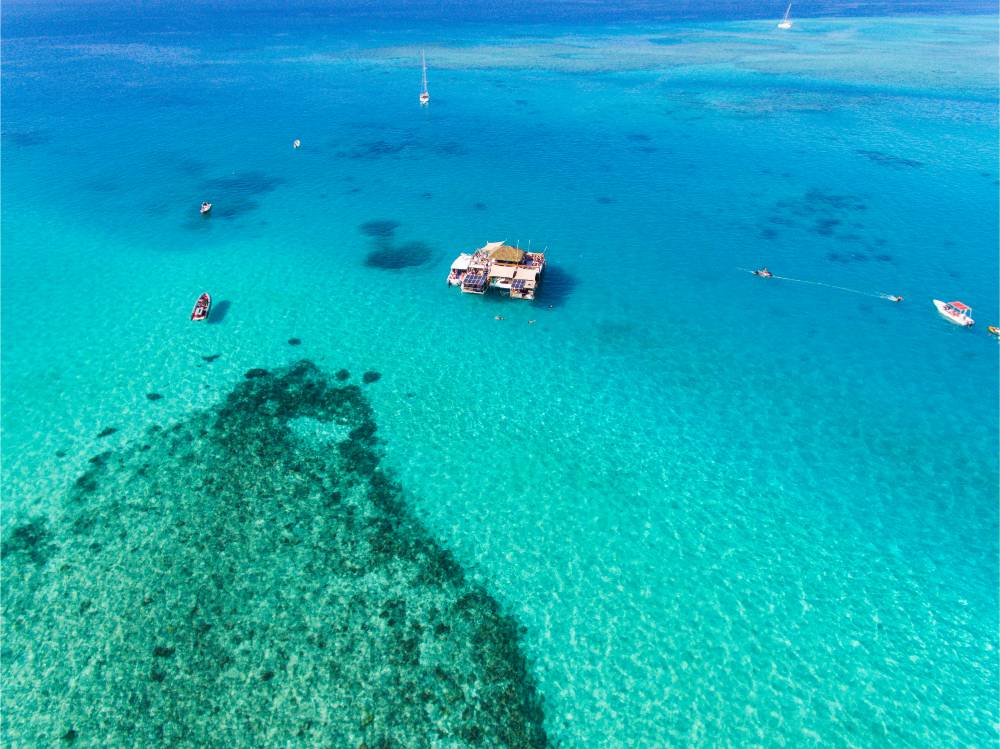
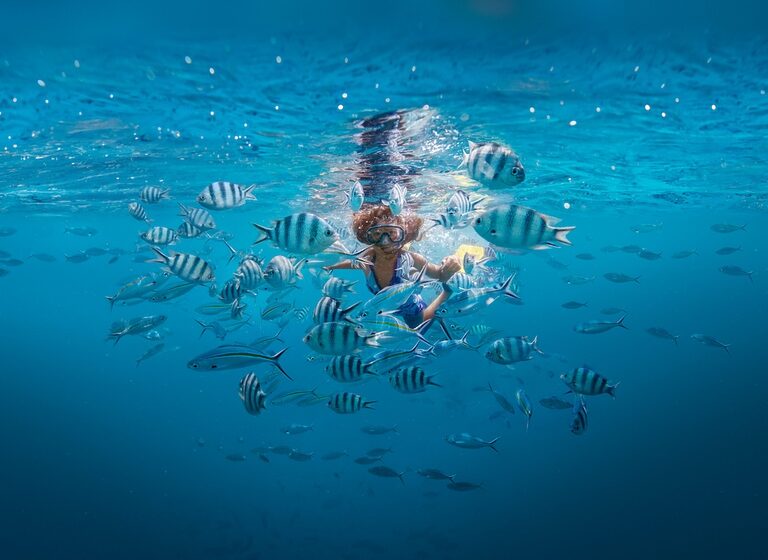
Fiji is the easiest faraway place to reach from Southern California, and we’ve done it twice. Fiji Airways flies nonstop from LAX to Nadi in about 11 hours. You land in the morning, and you can be on a boat by lunch. From there, you’ll find 333 islands, with around 110 of them inhabited, and the hardest decision of the trip is which ones to explore.
What we love about Fiji is that it goes both speeds. Mornings are for diving, hiking to a waterfall or sailing to the next island, while afternoons are for the hammock. By day three, the phone stays in the bure. The word you’ll hear a thousand times is “bula,” and it’s not a marketing line. The hospitality is real, and a village visit with a kava ceremony is a better afternoon than anything on the resort activity sheet.
The Mamanuca and Yasawa islands off the west coast are where most people go, and for good reason: the water is as clear as anywhere on earth. Farther out, Taveuni is called the Garden Island, and the 180th meridian runs right through it. There’s a marker where you can straddle the line between the eastern and western hemispheres, though the date line itself now bends around Fiji so the whole country shares the same day.
Don’t Miss
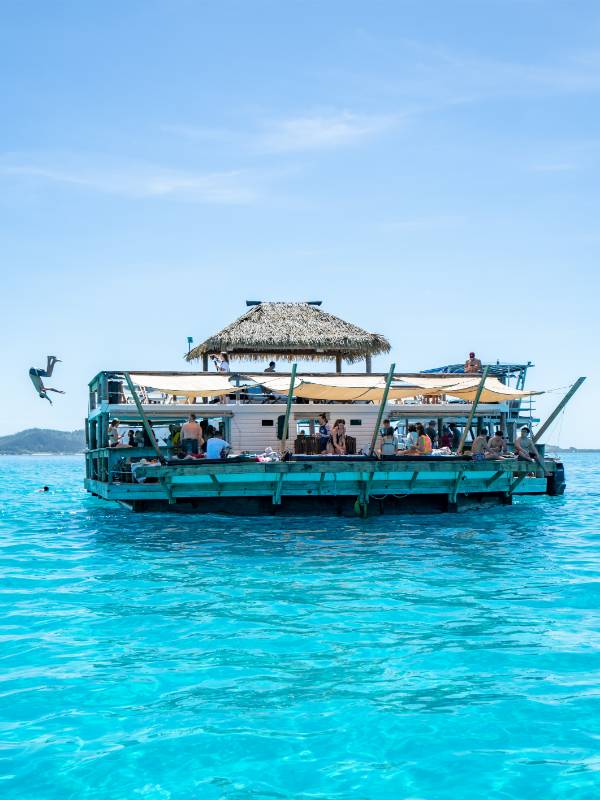
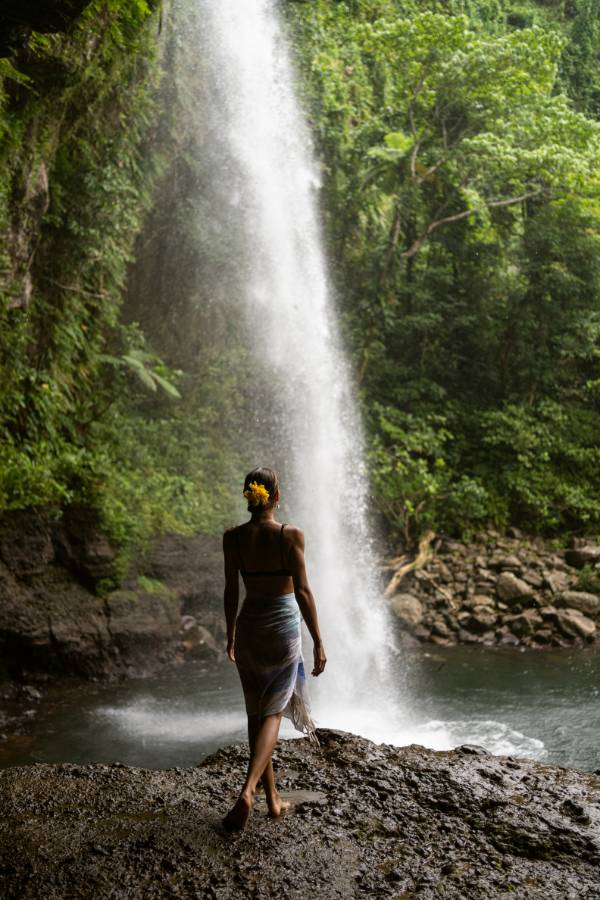
- Cloud 9, a two-level floating bar and pizza deck anchored over a reef in the Mamanucas. You get there by boat from Port Denarau.
- The Sawa-i-Lau caves in the Yasawas, where you duck underwater to swim into a hidden second chamber.
- The Beqa Lagoon shark dive, one of the most famous dives in the Pacific, if you have the nerve.
- At least one night on a small island with a single resort. The pace drops to zero.
Stay: Likuliku Lagoon Resort, Malolo Island. It’s the first adults-only resort in Fiji with authentic overwater bures.
Eat: a lovo, the feast cooked underground on hot stones. Most resorts host one a week, and the village versions are better.
Off the beaten path: Navala in the Nausori Highlands, one of the last villages in Fiji still built almost entirely of traditional thatched bures, about three hours inland from Nadi. Bring kava for the sevusevu and cash for the village fee.
Local Insight: dry season runs May through October, while cyclone season is November to April. The island-hopping flights and boats are weather dependent, so build in a buffer day at each end.
Barcelona, Spain
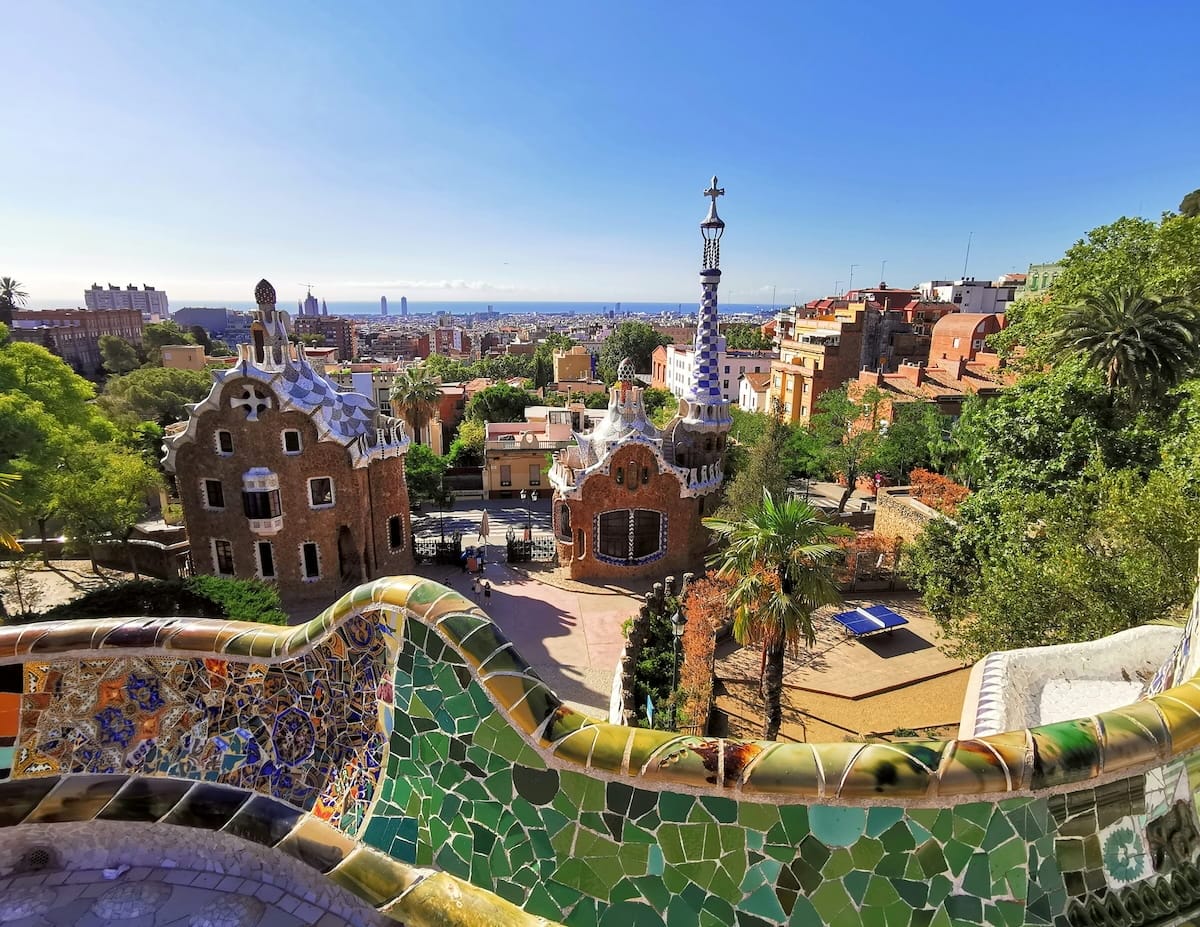
Spain was one of the first countries we ever visited together, and Barcelona is the city we’ve been back to seven times. It’s historic without being a museum. There’s a Gothic Quarter you can get lost in, a beach 10 minutes from it, rooftop dinners with the whole city at your feet and a Gaudí building on every third corner. We still find something new on every trip.
This year, the “something new” is hard to miss. Construction on the Sagrada Família started in 1882. In February 2026, crews placed the final piece of the cross on the Tower of Jesus Christ, bringing the world’s tallest church to its full height of 172.5 meters (566 feet) in the centennial year of Gaudí’s death. Work on the tower’s interior runs through 2028, and the full basilica could take another decade, so you’re still watching history be built.
The local rhythm is worth learning. Around 1 p.m. on the weekend, the old bars in Gràcia and Sant Antoni fill up for vermut hour: vermouth on the rocks, served with an olive and a plate of anchovies. Dinner doesn’t get going until 9:30 p.m. In between, skip La Boqueria and eat at the Mercat de Sant Antoni. It’s the same idea with half the crowd, and the restaurants around it are where the city actually eats.
Don’t Miss
- The Bunkers del Carmel, an old anti-aircraft battery on a hill with a 360-degree view. It closes at 7:30 p.m. in summer and 5:30 p.m. in winter, and the city is tightening access, so check current hours before you go. Go in the late afternoon, and in winter you can just about catch sunset before the gates shut.
- The Hospital de Sant Pau, a modernista campus a few blocks from the Sagrada Família that gets a fraction of the visitors.
- A concert at the Palau de la Música Catalana, if only to sit under the stained-glass ceiling.
Stay: Cotton House Hotel, Eixample. The 19th-century cotton guild headquarters on Gran Via has a spiral staircase worth the trip alone.
Eat: Disfrutar, Eixample. It was named the best restaurant in the world in 2024 and is run by three alumni of elBulli.
Off the beaten path: the Parc del Laberint d’Horta, the oldest garden in Barcelona, with a cypress hedge maze from 1792 and a 750-visitor cap that keeps it quiet.
Local Insight: pickpockets on Las Ramblas and the metro are real. Carry less than you think you need.
Lisbon, Portugal
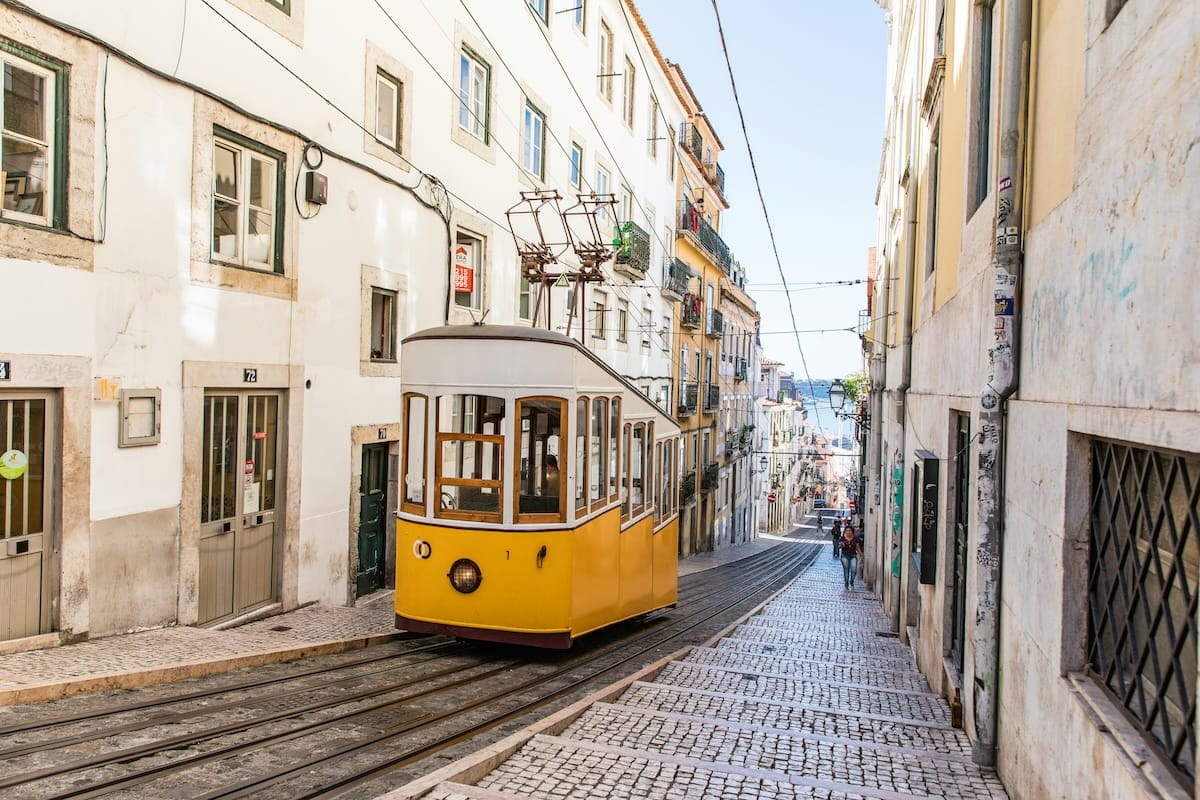
We’ve been to Lisbon twice, and both times we came home with sore calves. Prepare to burn some calories. The city is built on seven hills; the streets are steep enough to make your legs shake and, in a lot of ways, it feels like a smaller, older San Francisco. There’s even a big orange suspension bridge, and that one isn’t a coincidence. The Ponte 25 de Abril opened in 1966 and was built by the same American company that built the San Francisco–Oakland Bay Bridge.
The yellow Tram 28 still runs 1930s-era cars through Alfama, Graça and Baixa, and it’s a real way to get around, not just a photo op. The Santa Justa elevator, finished in 1902 by a student of Gustave Eiffel, is worth seeing from the street, though it’s been closed since September 2025 with no reopening date. Walk up to the Carmo ruins instead. The beer is Super Bock, and it’s everywhere. The pastry is the pastel de nata, and the original bakery, Pastéis de Belém, has been making them from a monastery recipe since 1837. Eat them warm with cinnamon on top and don’t count.
Don’t Miss
- The ferry from Cais do Sodré across to Cacilhas. Eat grilled fish on the water and look back at the city under the bridge. Best view in Lisbon, and it only costs a couple of euros.
- Sunset from Miradouro da Senhora do Monte, the highest lookout in town and quieter than the ones on the tram line.
- A shot of ginjinha, the sour cherry liqueur, standing at the counter at A Ginjinha off Rossio Square, like locals have since 1840.
- Fado in a tiny house in Alfama, not a dinner show.
Stay: Bairro Alto Hotel, Chiado. The yellow 18th-century building sits between Chiado and Bairro Alto, with a rooftop that looks over the river.
Eat: Belcanto, Chiado. José Avillez’s two-Michelin-star dining room is closed Sundays and Mondays, so plan around it.
Off the beaten path: the Museu Nacional do Azulejo, five centuries of Portuguese tile inside a 16th-century convent east of downtown, with a gold-covered chapel that stops you cold. It’s been closed for renovation since late 2025, so confirm it has reopened before you go.
Local Insight: wear real shoes. The sidewalks are limestone mosaic, and they get slick. Sintra and Cascais are each 40 minutes by train when you want a day out of the city.
Mallorca, Spain
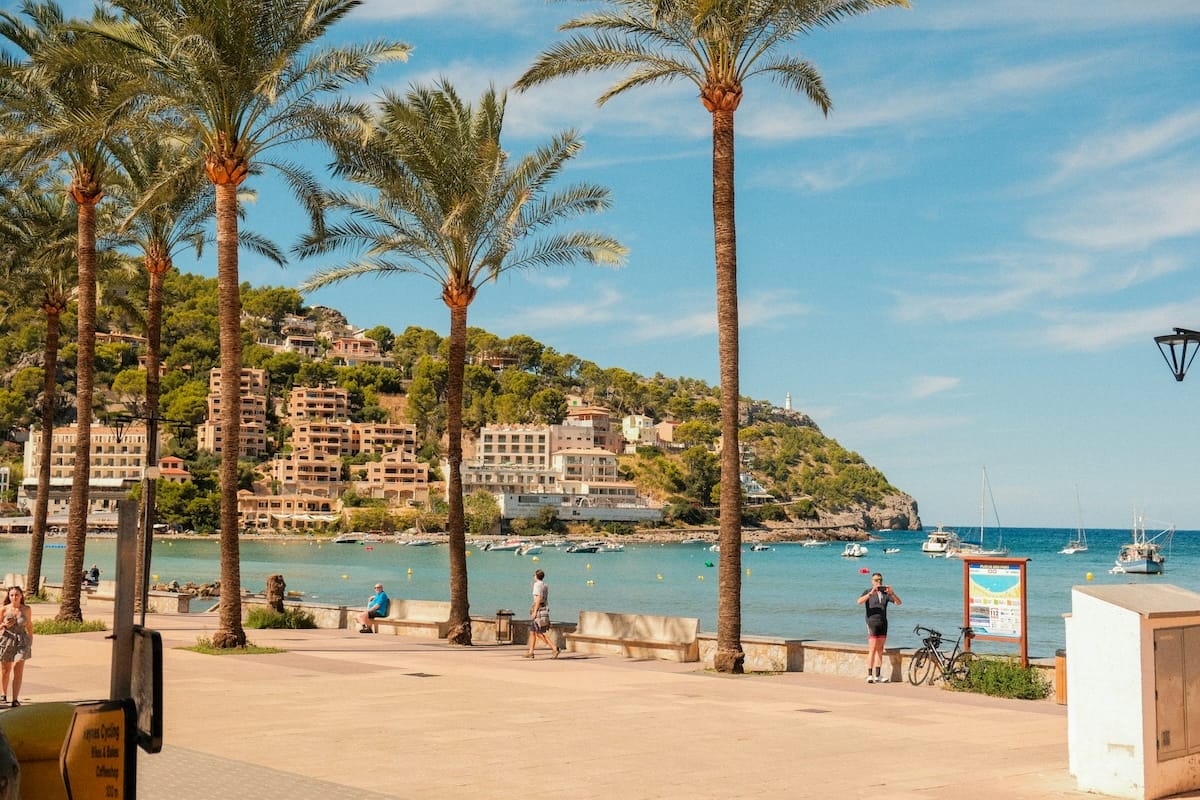
Mallorca has so much going on that one trip doesn’t cover it. We ate paella, took a boat around the coast, swam in water so clear the anchor line looked painted on and wandered stone villages that haven’t changed in centuries. The beauty is unmatched anywhere we’ve been, and we’ve been a lot of places.
The package resorts around Palma are real, but they’re a sliver of the largest Balearic island. The Serra de Tramuntana mountains run the length of the northwest coast and were named a UNESCO World Heritage Site in 2011 for the dry-stone terraces farmers have been building there for 1,000 years. Palma has a Gothic cathedral, La Seu, that Gaudí himself worked on. And the coast is a string of calas, little rocky coves with sand at the bottom and water in a shade of turquoise that doesn’t look real until you’re in it.
See it by water and by backroad. Charter a boat for a day along the southwest coast and swim off the back. Then drive inland to the villages where the real food is: arròs brut, the rustic rice dish locals will tell you beats paella, and ensaïmada, the coiled pastry that goes home in the overhead bin.
Don’t Miss
- The wooden train from Palma to Sóller, rattling through the mountains since 1912, and the vintage tram that carries on down to the port.
- The switchbacks down to Sa Calobra and the walk through the tunnel to the mouth of the Torrent de Pareis gorge. Go early or late. Midday is a parking lot.
- A slow afternoon in Deià, the cliffside village where the poet Robert Graves lived and is buried, and a swim at Cala Deià below it.
- Sineu on a Wednesday, when the inland town hosts the oldest market on the island.
Stay: Belmond La Residencia, Deià. Two 17th-century manor houses, once home to Cistercian monks, sit in the olive groves above the sea.
Eat: Marc Fosh, Palma. The first British chef to earn a Michelin star in Spain cooks inside a converted 17th-century convent in the old town.
Off the beaten path: Cabrera, the protected island national park about 35 minutes by boat from Colònia de Sant Jordi. Day boats are capped, the water in the Blue Cave is unreal, and you’ll have it mostly to yourselves.
Local Insight: July and August are hot and packed, and the famous coves fill up by 10 a.m. June and September give you the same water with room to swim.
Maui, Hawaiʻi
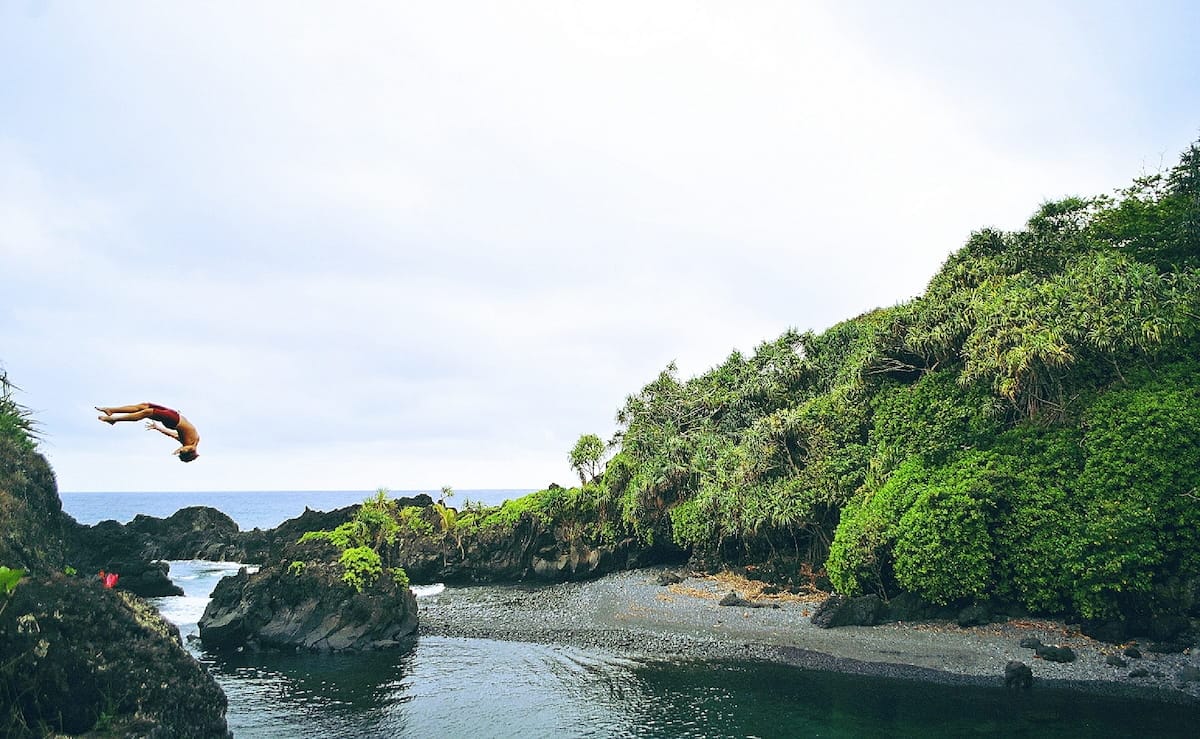
You’ve probably been to Maui already. We’ve been too many times to count. We’ve stayed in five-star resorts on Wailea Beach and camped in a rented 1983 VW van, and the van trip is the one we tell people about. After all those visits, we’ve got our favorites, but we go back every time looking for something new. We love Maui. That’s the whole reason.
A few things have changed if it’s been a while. Sunrise at the top of Haleakalā, 10,023 feet up, now requires a National Park Service reservation for entry from 3 to 7 a.m. They release 60 days out, plus a smaller batch two days ahead, and they go fast. The Road to Hāna is still the drive, roughly 64 miles with about 620 curves and 59 bridges, most of them one lane, and it’s a full day, not a detour. And Lahaina is still rebuilding from the August 2023 fire. Front Street reopened in August 2026, with Kimo’s and a handful of other businesses returning, but much of the town is still empty lots. The best thing a visitor can do is spend money at the West Maui businesses that have reopened.
Lunch is a shrimp truck on the side of the road: garlic butter, a scoop of rice, passion orange guava juice in a can. Dinner, if it’s Mama’s Fish House, is a reservation you make months ahead.
Don’t Miss
- Beach Buddies at the Maui Humane Society in Puʻunēnē. You take a shelter dog out for the day, to the beach, a trail or lunch, with a donation that supports the shelter. Spots are limited and book up weeks out, so check the current schedule and reserve when you book the flight.
- Upcountry. Kula is cool, green and quiet, with lavender farms, goat dairies and a view of both coasts.
- Hoʻokipa at sunset, when the sea turtles haul out on the sand and the windsurfers come in, followed by dinner in Pāʻia.
Stay: Hotel Wailea, Wailea. Hawaiʻi’s only Relais & Châteaux property is adults-only and sits on the hill above the resort area. If you’re bringing kids or want to be on the sand, book the Four Seasons Resort Maui, Wailea, on the beach below it.
Eat: Tin Roof, Kahului. Two-time “Top Chef” finalist Sheldon Simeon’s lunch counter by the airport is walk-ins only. Order the mochiko chicken and eat it in the parking lot like everyone else.
Off the beaten path: the Waiheʻe Ridge Trail in the West Maui Mountains, a 4.5-mile round-trip climb through a cloud forest with waterfall views and a fraction of the Hāna traffic. Go when the gate opens at 7 a.m., before the clouds roll in.
Local Insight: rental cars get expensive in peak weeks. The camper van route is more fun than it sounds.
Saint-Tropez, France
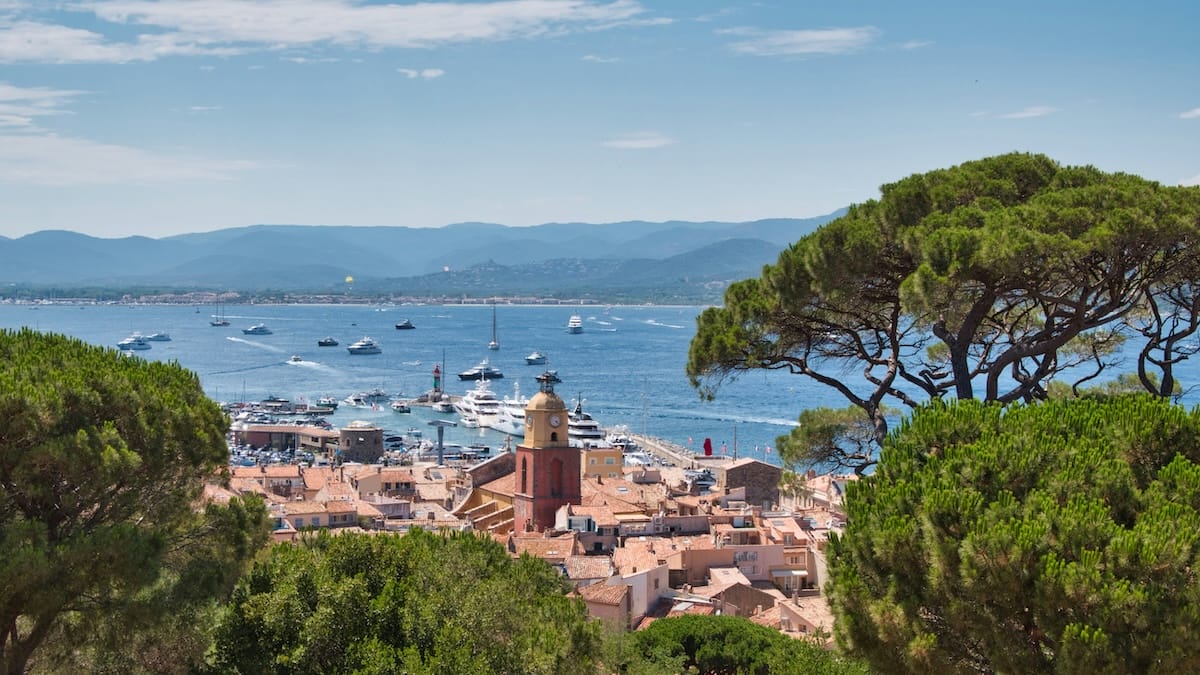
We spent 17 days in Saint-Tropez one summer. It’s posh. Expect over-the-top experiences and over-the-top pricing, and go in with your eyes open. We’d do it again tomorrow, with a smaller car.
Saint-Tropez was a quiet fishing village until 1956, when Brigitte Bardot’s “And God Created Woman” came out and the world followed her in. Seventy years later, it’s still one of the most-watched beach towns in Europe. The scene is on Pampelonne, a 3-mile stretch of sand a few minutes outside of town where the clubs line up like a runway. Club 55 grew out of the beach shack where the de Colmont family fed Bardot’s film crew, and it’s still the one to book for a long lunch. Nikki Beach is the party. The tarte Tropézienne, a brioche filled with cream, came from local baker Alexandre Micka around the same time, and Bardot named it. Back in town, hit the Tuesday and Saturday morning market at Place des Lices, then come back in the afternoon for pétanque under the plane trees.
And it’s about to get busier. Season four of “The White Lotus” filmed this spring at the Château de la Messardière, the hotel on the hill above Pampelonne, with the Hôtel Martinez in Cannes as the second location. It’s set to air in 2027, so if Saint-Tropez is on your list, go before it does.
Don’t Miss
- Arriving by boat. The shuttle from Sainte-Maxime across the gulf takes 15 minutes and skips the two-hour traffic jam into town in August.
- The Sentier du Littoral, the coastal path from the old port around the headland, past the villas and the coves, with the Alps on the horizon on a clear day.
- Dinner up in Gassin or Ramatuelle, the hill villages 15 minutes above the beach, with a view and half the attitude.
Stay: Cheval Blanc St-Tropez, Plage de la Bouillabaisse. The 32-room hotel sits right on the water at the edge of town and opens for the summer season only.
Eat: La Vague d’Or, Cheval Blanc St-Tropez. Arnaud Donckele’s three-Michelin-star restaurant is the best meal on the peninsula. It’s open in season only and closed Wednesdays.
Off the beaten path: the walk from Plage de l’Escalet out to Cap Taillat, a 45-minute coastal path from Ramatuelle that ends at a sandbar and a cove with no beach club in sight.
Local Insight: late June and September give you the beach clubs without the yacht traffic. Rent a scooter or a small car. Parking is the local sport.
Boracay, Philippines
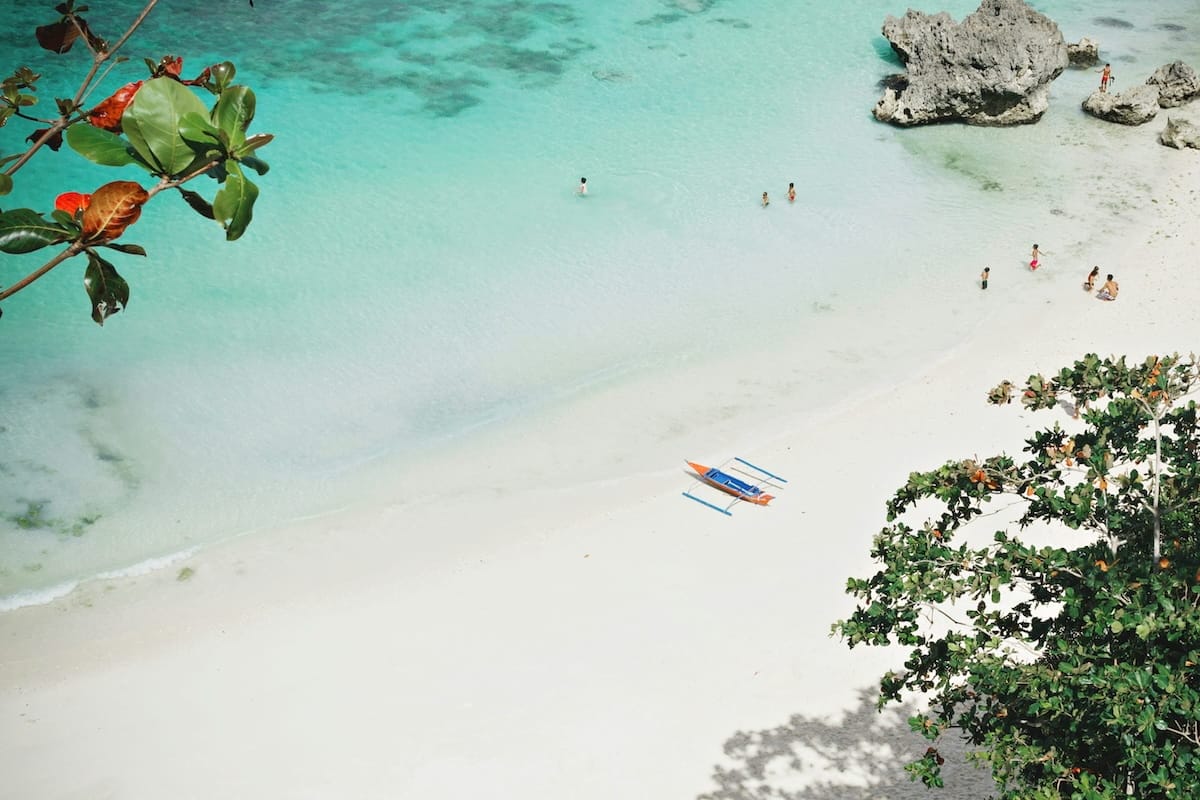
This island is paradise. Turquoise water, prices lower than almost anywhere we’ve traveled and the most genuine people you’ll ever meet. It’s also a pain to reach, and that’s exactly why it still feels the way it does.
Here’s the drill. Fly to Manila. From there, it’s about an hour’s flight to Caticlan, a 10-minute boat across the strait and a tricycle to your hotel. Kalibo is the backup airport, usually cheaper, with a 90-minute van ride to the port. Budget around 500 pesos per person in port fees and boat fare if you do it yourself, or about 950 to 1,050 pesos for a pre-booked transfer that handles everything door to door. The island is about 4 miles long, and White Beach runs down most of the west side: powder-fine sand that stays cool underfoot, water in three shades of blue and a sunset every night that empties the bars.
In 2018, the government shut the whole island to tourists for six months to fix the sewage and overbuilding issues, and it reopened with a cap on visitors and stricter rules on beachfront building. It’s in better shape now than it was a decade ago. We spent an afternoon on a bamboo raft in the middle of the bay and couldn’t come up with a reason to paddle back.
Don’t Miss
- A paraw at sunset. These are the traditional outrigger sailboats with the big sails, and the ride is 30 to 45 minutes in the best light in the Philippines.
- Puka Shell Beach on the north end, rougher and emptier, for the day White Beach feels busy.
- The cliff jumps at Ariel’s Point. The day-trip boat covers the jumps, snorkeling, lunch and an open bar.
- D’Talipapa market. Pick your fish at the stalls, carry it next door and they’ll grill it for a small fee.
Stay: Shangri-La Boracay, Barangay Yapak. The 219-room resort sits in a sheltered bay at the quiet north end of the island and fronts two secluded beaches of its own.
Eat: Dos Mestizos, Station 1. The Spanish-Filipino institution on Main Road, a short walk off White Beach, is the place for paella and cochinillo, its roast suckling pig. It’s open daily from 11 a.m. to 11 p.m.
Off the beaten path: Carabao Island in neighboring Romblon province, about an hour by public boat from Caticlan or 30 minutes by chartered speedboat from Boracay. It’s what Boracay looked like 30 years ago.
Local Insight: dry season is November to May. The June-to-October Habagat winds push swell and seaweed onto White Beach. Bring cash in pesos; the ATMs can run dry on busy weekends.
Bali, Indonesia
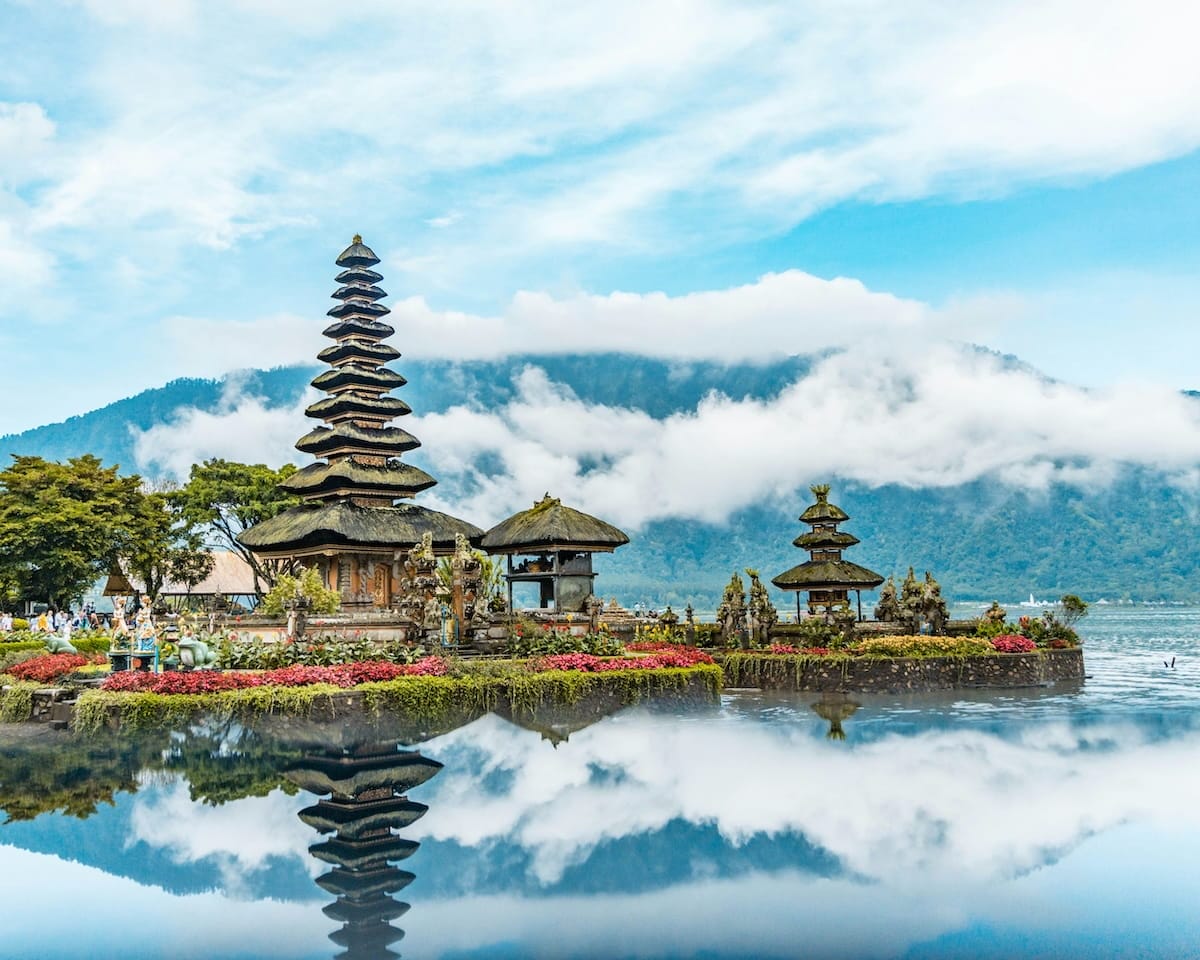
If you have a phone, you already know about Bali. The jungle swings over the Tegallalang rice terraces, the temple gates framing a volcano, the beach clubs in Canggu. It’s all there, and it’s all crowded. The sweetness is still there too. You just have to walk a little farther to find it. On our last trip, we rented a house in the middle of a rice field outside Ubud, rolled our suitcases along the irrigation canal and spent a week falling asleep to the sound of frogs. It was the most relaxed we’ve been anywhere.
Bali is a Hindu island in the world’s largest Muslim-majority country, and that shapes everything, from the little offerings on the sidewalk every morning to the ceremonies you’ll wander into by accident. The rice terraces run on a cooperative irrigation system called subak that’s 1,000 years old and on the UNESCO World Heritage list. At Pura Tirta Empul, Balinese Hindus have been bathing in the holy spring since the 10th century. Visitors can join the purification ritual, and should, respectfully: wear a sarong and sash, follow the line of spouts in order and skip the two reserved for the dead. Since 2024, the island charges every foreign visitor a tourist levy of 150,000 rupiah, about $10, paid online before you land.
Don’t Miss
- Sidemen as a base instead of Ubud. Same rice terraces, Mount Agung in the background, almost no traffic.
- The Jatiluwih terraces in Tabanan, the UNESCO-listed ones, bigger and quieter than Tegallalang, with walking paths through them for hours.
- The kecak fire dance at Uluwatu temple at sunset, on a cliff 200 feet above the surf. Hold onto your sunglasses. The monkeys are professionals.
- Mount Batur at sunrise. A two-hour climb in the dark, then eggs cooked in volcanic steam at the top.
Stay: Four Seasons Resort Bali at Sayan, Ubud. The resort is built into the Ayung River gorge, and you arrive across a footbridge onto a lotus pond that doubles as its roof.
Eat: Locavore NXT, Lodtunduh. No. 44 on Asia’s 50 Best list, it supplies many of its ingredients from a rooftop food forest, a fermentation lab and a mushroom chamber on site.
Off the beaten path: Amed, the string of black-sand fishing villages on the far east coast, where the snorkeling starts at the shoreline and the traffic doesn’t exist.
Local Insight: dry season is April to October. Traffic in the south is brutal; a 15-mile drive from Canggu to Ubud can take two hours. And plan around Nyepi, the Balinese day of silence, which usually falls in March. The whole island, including the airport, shuts down for 24 hours, so check the date before you book.
The Big Island, Hawaiʻi

Three trips to the Big Island and we’re still surprised by the sheer size of it. The Island of Hawaiʻi is 4,028 square miles, bigger than all the other Hawaiian islands put together, and it’s still growing. Kīlauea has been erupting in bursts since December 2024, with more than 50 lava-fountaining episodes so far. Each one lasts hours, not days, so watch the USGS updates. If one hits while you’re there, stand at the crater rim after dark. Mauna Kea rises 13,803 feet above the water and more than 33,000 feet from its base on the ocean floor, which makes it the tallest mountain on earth from bottom to top. You can leave a rainforest in Hilo and be in a lava desert on the Kona side a couple of hours later.

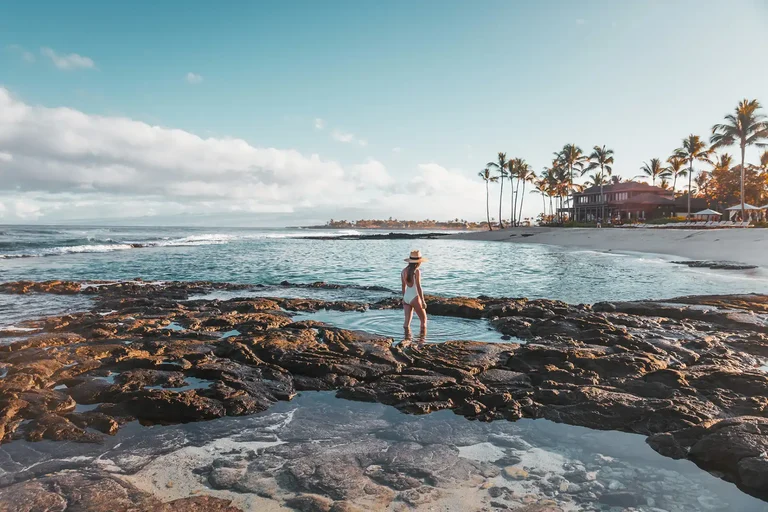

The best day we’ve had here involved a dog named Snoopy. The Hawaii Island Humane Society lets visitors take an adoptable dog out for the day from its Kona and Keaʻau shelters on Fridays, Saturdays and Sundays. Book ahead, sit through a quick safety briefing, load up in an enclosed vehicle (no convertibles or open Jeeps), hit a beach and a lunch spot, and have the dog back by 4:30 p.m. A $35 donation covers the day, and you get a wingman for the whole island. Snoopy got a day out. We got the best day of the trip.
Don’t Miss
- The manta ray night snorkel off the Kona coast. Lights draw plankton, plankton draw mantas with 12-foot wingspans, and they roll inches from your mask.
- Punaluʻu black-sand beach on the south side, where green sea turtles haul out to rest on the lava sand.
- Coffee bought at a small farm in Hōlualoa or Captain Cook, not at the airport. Kona coffee grows on this one slope of this one island.
- The Waipiʻo Valley Lookout on the Hāmākua Coast, for the cliffs and the black-sand bay nearly a thousand feet below. The road down is closed to visitors, so the view is the trip.
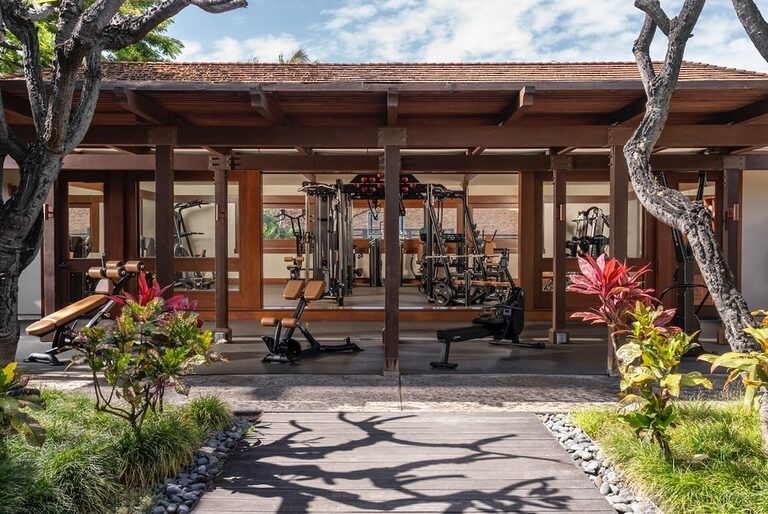
Stay: Four Seasons Resort Hualālai, Kaʻūpūlehu. It’s the one Hawaiʻi hotel on the Kona coast we’d put against any resort in the world.
Eat: Merriman’s, Waimea. Peter Merriman’s original restaurant is where Hawaii Regional Cuisine was born, and the beef and lamb come from island ranches.
Off the beaten path: the Pololū Valley Lookout at the very end of the road in North Kohala, and the steep 20-minute trail down to the black-sand beach at the bottom. The lot holds only about a dozen cars, so go early.
Local Insight: fly into Kona for the beaches and resorts and Hilo for the volcano and the waterfalls. Either way, rent a car and make peace with the fact that nothing is close to anything.
Tokyo, Japan
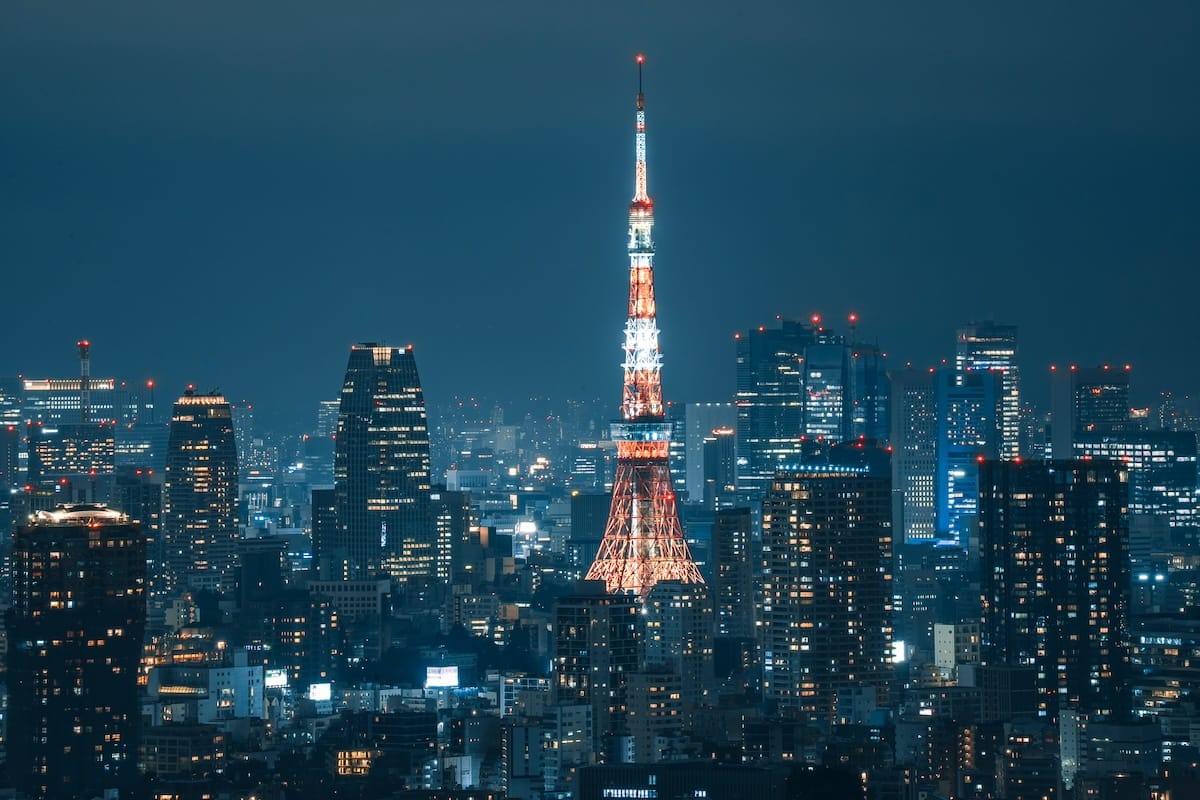
We loved Tokyo, and we’re definitely going back to see Kyoto and Osaka. Tokyo was exactly what we expected it to be: great sushi, great ramen and people having fun at every turn. We played the taiko drum game in an arcade. We stood on a glass floor panel high above the city and looked straight down. And we spent a full day at the Disney park and didn’t feel the least bit silly about it.
Greater Tokyo is home to about 33 million people, one of the largest metro areas on earth, and it runs with a precision that makes Los Angeles feel like a group project. The trains are the way to move; a Suica card on your phone covers all of them. The fish market everyone pictures, Tsukiji, moved its wholesale auction to Toyosu in 2018, but the outer market is still there, and it’s still the best breakfast in the city. Tokyo Disney Resort is the only place in the world with DisneySea, and locals will tell you it’s the better of the two parks.
Don’t Miss
- teamLab Planets in Toyosu, where you walk barefoot through water and light. It’s the one immersive art thing that lives up to the hype, and it’s open only through the end of 2027.
- Yanaka in the morning. The neighborhood survived the war, so it’s one of the only places where old low-rise Tokyo still exists, temples and all.
- A depachika, the basement food hall of a department store, like Isetan in Shinjuku. Build a dinner from the counters.
- Golden Gai, six narrow alleys with more than 200 bars that seat six or eight people each. Find an open stool and sit down.
Stay: Aman Tokyo, Otemachi. It sits on the top floors of the Otemachi Tower, with a lobby that feels like a temple and a view across the Imperial Palace gardens.
Eat: Narisawa, Minami-Aoyama. The two-Michelin-star restaurant is a fixture on the World’s 50 Best list for its foraged, forest-driven tasting menu. Book online; there are no phone reservations.
Off the beaten path: Todoroki Valley in Setagaya, the only natural ravine inside the 23 wards, a 20-minute wooded walk along a creek that ends at a temple and a teahouse. It reopened in spring 2026 after a long closure.
Local Insight: Kyoto is about two hours and 15 minutes away on the bullet train, Osaka another 15 past that. Carry cash; plenty of small places still don’t take cards.
Chiang Mai, Thailand
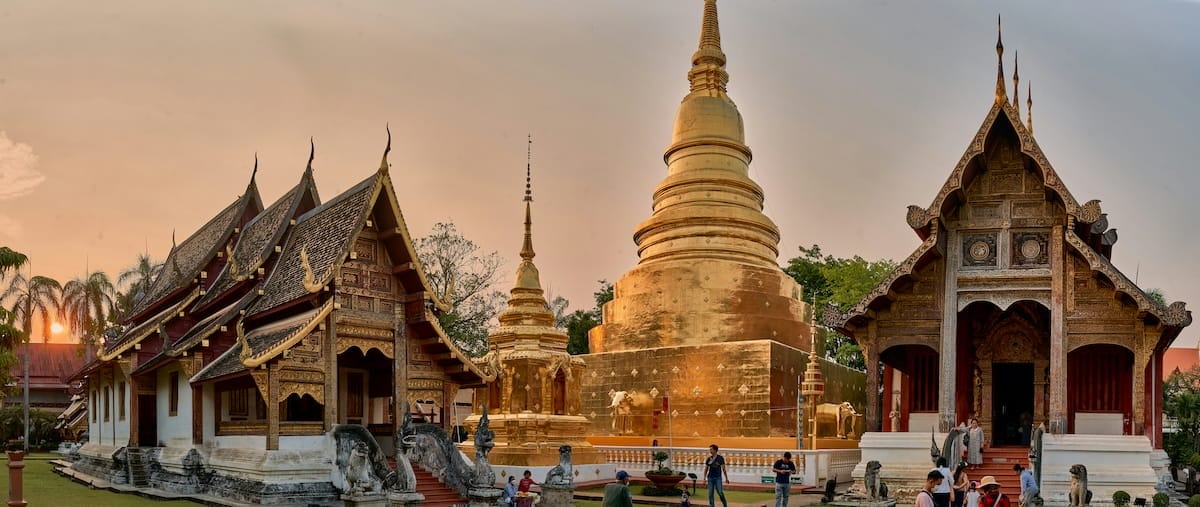
We’ve been to Thailand twice, and this mountain town won us over more than any of the beaches. The history, the culture and the food were incredible. And we got to feed elephants at a sanctuary where the animals had been rescued from logging and riding camps and were cared for the way they should be. That day alone was worth the flight.
Chiang Mai was founded in 1296 as the capital of the Lanna Kingdom, and the old city still sits inside its square moat and leftover brick walls, with more than 300 temples in and around town. The one to see is Wat Phra That Doi Suthep, on the mountain above the city. It dates to 1383, and you reach the gold chedi up a 306-step staircase lined by two long naga serpents. Go at sunrise or after 5 p.m. The food is northern Thai, which is its own thing: khao soi, a coconut curry noodle soup with crispy noodles on top, is the dish, and sai ua, the herb-packed northern sausage, is the snack.
On the elephants, the rule is simple. Ride nothing. The ethical sanctuaries around Chiang Mai let you feed and walk with the animals and watch them bathe on their own, and watching a herd move through a river at its own pace is a whole experience. Elephant Nature Park north of town is the original and still the standard.
Don’t Miss
- The Sunday Walking Street, which fills the length of Ratchadamnoen Road through the old city with food stalls and craft vendors from around 4 p.m.
- A monk chat at Wat Chedi Luang, where young monks practice their English with visitors and you can ask anything.
- Doi Inthanon, the highest point in Thailand at 8,415 feet, for the twin pagodas and a hike through a cloud forest.
- A cooking class that starts with a trip to the market. The good ones all do.
Stay: 137 Pillars House, Wat Ket. The restored 19th-century teak home sits across the river from the old city.
Eat: Khao Soi Khun Yai, Old City. The lunch-only stand near Wat Kuan Kama serves the city’s definitive bowl, opens at 10 a.m., sells out by early afternoon and is closed Sundays.
Off the beaten path: Mae Kampong, a tea- and coffee-growing village an hour into the hills east of the city, with homestays and a waterfall. Go on a weekday, or stay overnight and have the village to yourself after the day-trippers leave.
Local Insight: November through February is cool and clear. March and April are burning season, when farmers torch the fields, and the air can get bad enough to cancel a trip. Yi Peng, the lantern festival, falls in November and is worth planning around.
Athens, Greece
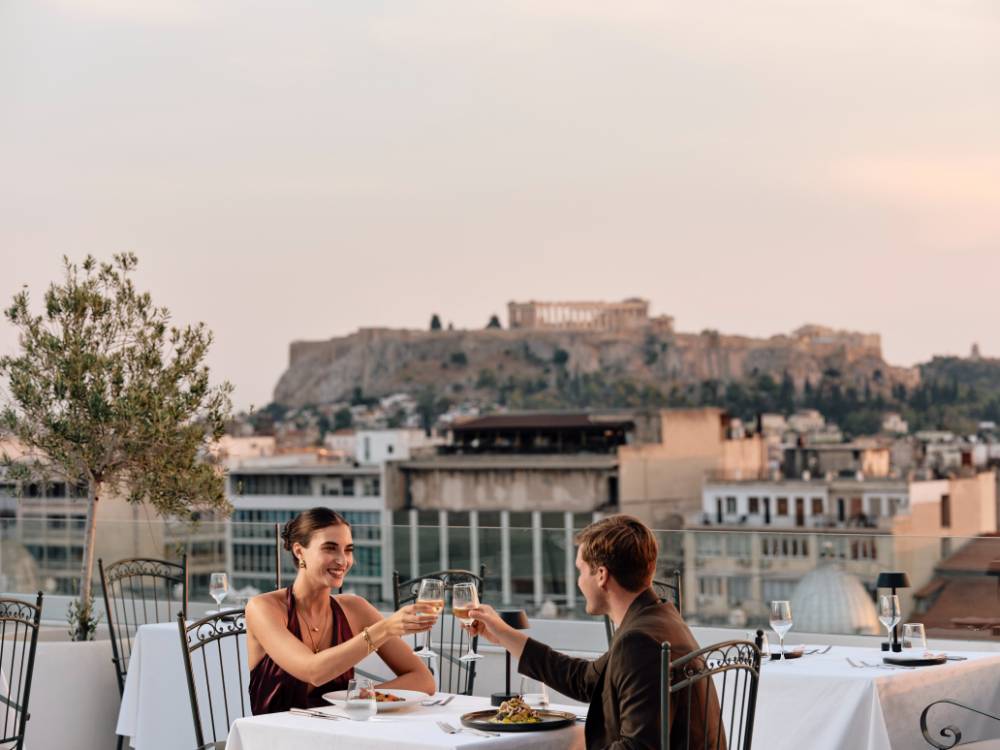
We’ve been to Athens twice and liked it a lot more the second time. The first trip, we treated it like a layover on the way to the islands, which is the mistake everyone makes. The second trip, we gave it real days, skipped the tourist tavernas, ate where the locals eat and actually went into the museums. There’s so much history here that it takes a minute to adjust.
The Parthenon was built between 447 and 432 B.C. and has been a temple, a church, a mosque and an ammunition dump since. The Acropolis now runs on timed entry with a cap of 20,000 visitors a day, so book the first slot of the morning or one in the late afternoon to beat the heat. The Acropolis Museum at the bottom of the hill opened in 2009 over an excavated neighborhood you can see through the glass floor, and it’s the best museum in Greece. The neoclassical building with the statues of Athena and Apollo out front, the one that stops everyone on Panepistimiou Street, is the Academy of Athens.
Don’t Miss
- Anafiotika, the little pocket of whitewashed island-style houses on the north slope of the Acropolis, built in the 1800s by workers from the island of Anafi who missed home.
- Lunch at the Varvakios central market and the hole-in-the-wall tavernas around it where the vendors eat.
- A swim at Lake Vouliagmeni on the Athens Riviera, a thermal spring lake 30 minutes from downtown with tiny fish that nibble your feet.
- Lycabettus Hill at sunset, on foot or by funicular, for the view of the lit Acropolis with the sea behind it.
Stay: Titania Hotels Athens. This Athens hotel room used to be a movie palace. The Titania started as a 1911 patisserie for Athens’ elite, then became a 2,000-seat cinema in 1933, and has been a hotel since 1976. It still carries the cinema’s name.
Eat: Spondi, Pangrati. The two-Michelin-star restaurant sits in a courtyard a 15-minute walk from the Panathenaic Stadium. It’s dinner only and closed Sundays.
Off the beaten path: Kerameikos, the ancient cemetery of Athens on the edge of Gazi, the least-visited of the major sites and the most peaceful.
Local Insight: April, May and October are the months to go. July and August are brutally hot; the Acropolis sometimes closes at midday during heat waves, and Lycabettus can close on high wildfire-risk days. Stay in Koukaki, Plaka or Psyrri and you can walk to everything.
London, England
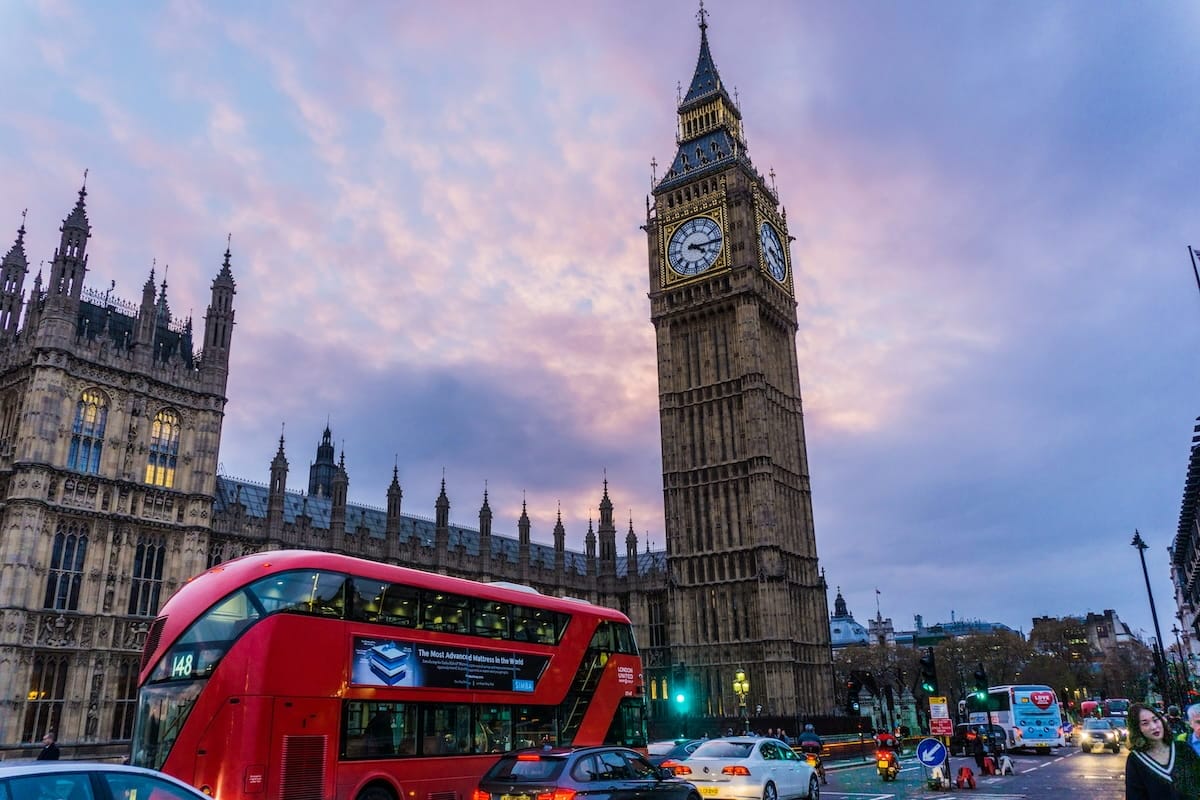
London is the city on this list where we feel at home within an hour of landing. Same language, different everything. We did the guard at Buckingham Palace, ate our way through Borough Market and sat down to a proper afternoon tea, and none of it felt touristy. It’s the best big city in the world for walking out of one neighborhood and into a completely different one.
Borough Market has been trading on or near its spot by London Bridge for about a thousand years and in its current form since 1756. It’s closed Mondays; go Wednesday through Saturday for the full market, and go hungry. Changing the Guard at Buckingham Palace happens at 11 a.m. on scheduled days, usually Monday, Wednesday, Friday and Sunday, and the schedule shifts with the season, so check it before you walk over. The big museums are free: the British Museum, the National Gallery, the V&A, the Tate Modern, all of them. That alone makes London cheaper than it looks.
Don’t Miss
- Maltby Street Market on a Saturday, 10 minutes from Borough under the railway arches in Bermondsey. It’s where locals went when Borough got busy.
- Sir John Soane’s Museum in Lincoln’s Inn Fields. The architect left his house exactly as it was in 1837, packed floor to ceiling with antiquities and paintings. Free and strange in the best way.
- Columbia Road Flower Market on Sunday morning, then Shoreditch for lunch.
- A swim in the Hampstead Heath ponds, where Londoners have gone for over a century (the men’s and ladies’ ponds stay open year-round), and the view from Parliament Hill after. Book ahead in summer.
Stay: Claridge’s, Mayfair. The Art Deco grande dame is worth it for the afternoon tea in the Foyer alone.
Eat: St. JOHN, Smithfield. Fergus Henderson’s nose-to-tail original is the place for the bone marrow and parsley salad. It’s closed Sunday evenings.
Off the beaten path: Dennis Severs’ House in Spitalfields, an 18th-century home kept exactly as if its Huguenot family just stepped out. You tour it in silence; book a Silent Night visit for the full candlelit effect, and don’t be late, because they won’t let you in.
Local Insight: tap a contactless card or your phone on the Tube; no ticket needed.
Where Next?
That’s the list, for now. Paris is on the calendar for next spring. Kyoto and Osaka are the unfinished business from Tokyo. Somewhere in the Dodecanese, there’s an island smaller than Rhodes we haven’t landed on yet. The argument on the flight home will keep going, and that’s fine with us. The only rule we’ve ever stuck to is the one this whole list is built on: go where you’ll want to go back to. We can’t wait.

Erik Hale is the visionary and publisher behind LOCALE Magazine. He launched the magazine in 2010, wanting to give the community of OC a premiere lifestyle magazine that knew all the native knowledge behind OC. “Six years ago Ashley and I sat at a table scratching the name LOCALE (among some other names) onto a sheet of paper,” says Erik, “coming up with story ideas and basically dreaming. Everything we imagined has happened and we have been blessed with so much more. I am so grateful as we start another year for my family, my two wonderful children, my health, our amazing writers, designers and photographers, our advertising partners and you.”