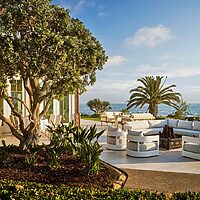
Dark Skies, Shooting Stars and the Perfect Summer Night Out
The Perseid Meteor Shower lights up SoCal skies every August when Earth passes through the debris trail of Comet 109P/Swift-Tuttle, a comet that last approached Earth in 1992 and orbits the sun every 133 years. It’s one of the most dazzling celestial events of the year. Under ideal dark sky conditions, the Perseids produce up to 90 meteors per hour. The shower is active from mid-July through late August, with peak activity around Aug. 12–13. And 2026? It’s an especially big deal: the peak falls on a new moon, meaning zero moonlight interference. Conditions this good are rare. To see the most meteors, get away from city lights and face northeast toward the constellation Perseus. Give your eyes 20 to 30 minutes to adjust to the darkness and avoid checking your phone, and then lie back and let the show begin. We’ve rounded up 12 of the best spots across Southern California, from beaches to mountains to remote desert parks, to catch every blazing streak.
Orange County
1. Where the Stars Fall Into the Sea

Crescent Bay is a quarter-mile cove tucked into the north end of Laguna Beach, and on a clear August night, it feels like the edge of the world. The soft sand, the sound of the surf and an unobstructed horizon to the west make this one of the most romantic Perseid-watching setups in Orange County. Come early enough to lay claim to a good stretch of beach, pack a blanket and your favorite snacks, and settle in. Pro tip: wear shoes you don’t mind getting sandy and rocky. The north and south ends of the beach have some boulder action. The beach is open until 10 p.m. with lifeguards on duty in summer.
Note: light pollution from the coast is present, but the open ocean sky still delivers.
Crescent Bay Beach
Circle Way
Laguna Beach, CA 92651
949.464.6645
Daily, 6 a.m.–10 p.m.
2. On Top of the World (Literally)
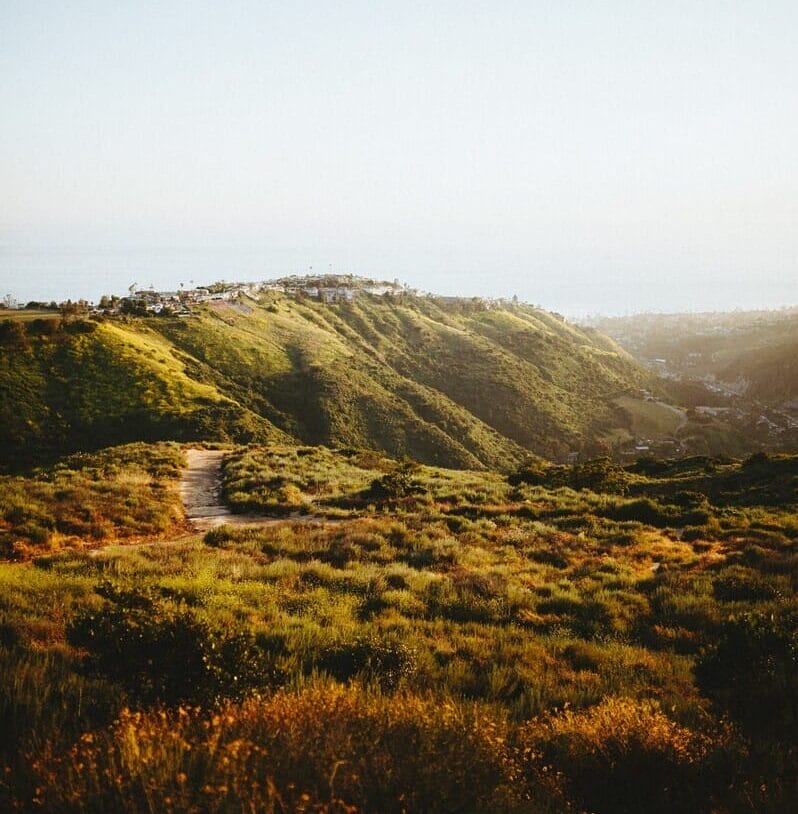
The name is not an exaggeration. Top of the World is Laguna Beach’s signature viewpoint, perched high in the hills above Aliso and Wood Canyons Wilderness Park. From up here, you get 360-degree views. There’s the Pacific to the west, canyon ridgelines all around and a wide-open sky overhead. It’s one of the best stargazing spots in Orange County, far enough from the beach corridor to reduce light pollution. The trail to the summit is challenging (steep and not flip-flop friendly), so bring proper hiking shoes and a headlamp. The park is open until 1 a.m., which gives you time to stay for the best viewing window: midnight to 4 a.m.
Top of the World
3300 Alta Laguna Dr
Laguna Beach, CA 92651
949.497.0795
Daily, 5 a.m.–1 a.m.
3. Stars Over the Harbor

For one of the most social stargazing spots on this list, head to Newport Beach for a night on the water. Start a few miles up the bay at Pirate Coast Paddle Company, where you can grab a paddleboard and take to the calm Back Bay waters as the sky transitions from sunset to stars. Known for glow tours and full-moon paddles, Pirate Coast is open daily June through October, no reservation needed; just show up. Then make your way to Newport Beach Marina Park and wrap up the night on shore at Lighthouse, a waterfront gem with a rooftop deck and outdoor fire pits right on the sand overlooking Newport Harbor.
Newport Beach Marina Park
1600 W Balboa Blvd
Newport Beach, CA 92663
949.270.8150
Daily, 7 a.m.–10 p.m.
San Diego
4. A Desert Sky Like No Other

For the darkest skies near San Diego, head to Anza-Borrego Desert State Park, California’s largest state park and a certified International Dark Sky Park. The 650,000-acre park surrounds Borrego Springs, which has held International Dark Sky Community status since 2009. The result: some of the darkest, most protected skies in the state. During peak Perseid season in August, the Milky Way stretches directly overhead. Borrego Springs Park and Christmas Circle are solid viewing spots. No need to venture deep into the park. Arrive after the sun sets (it’s brutally hot in August by day), bring layers for the cool desert night and prepare to be floored. The park offers monthly stargazing events; check the California State Parks website for programming.
Anza-Borrego Desert State Park
200 Palm Canyon Dr
Borrego Springs, CA 92004
760.767.4205
Daily, 24 hours
5. The Observatory Is Closed, and That’s Okay
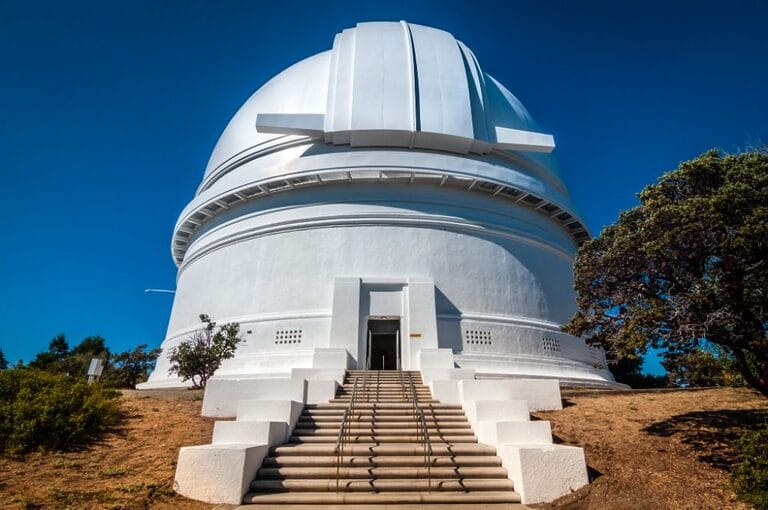
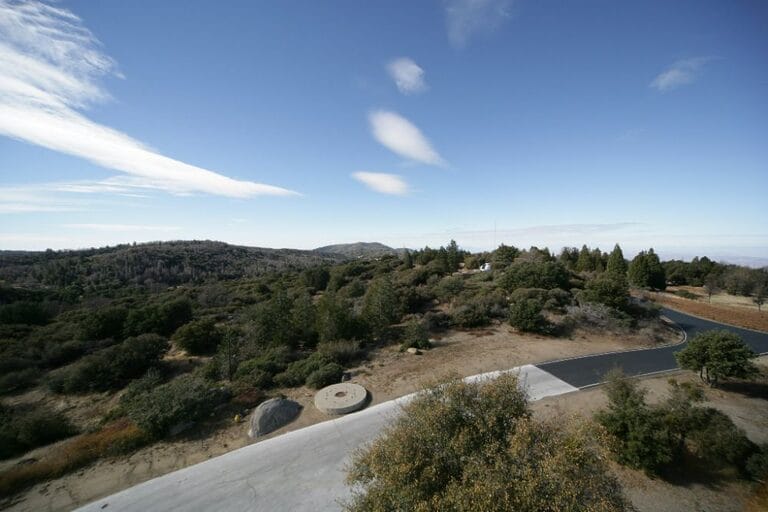
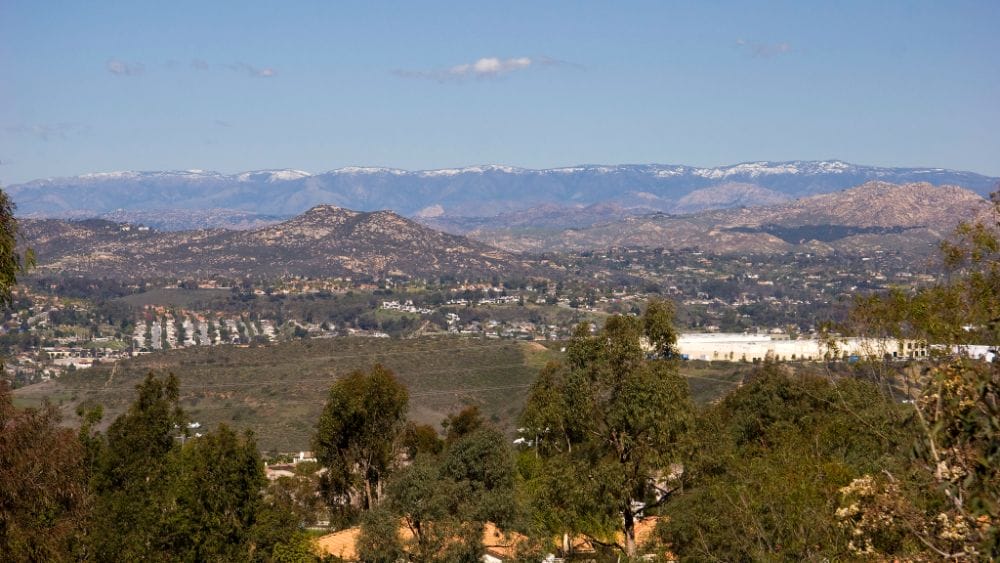
Palomar Mountain in the Cleveland National Forest sits at 6,140 feet in elevation and is best known for its world-famous Hale Telescope observatory dome. The observatory itself closes to the public at 3:30 p.m., but that’s not why you’re going. You’re going for the altitude, the darkness and the clear skies that made Palomar famous in the first place. Hike up before the sun goes down to snap photos of the iconic domed building against the golden hour sky. Then stay for the show. The Observatory Campground nearby is a popular base camp for stargazers, and the elevation puts you above the coastal marine layer that plagues lower-altitude spots. Sites book up fast in summer, so reserve ahead at Recreation.gov. San Diego’s darkest, clearest skies are yours for the taking.
Palomar Mountain/Palomar Observatory
35899 Canfield Road
Palomar Mountain, CA 92060
760.742.2119
Outdoor areas: Daily, 24 hours
Los Angeles
6. City Lights Below, Meteor Shower Above

Some of the best stargazing near Los Angeles doesn’t require a sleeping bag or a four-hour drive. The Santa Monica Mountains National Recreation Area stretches from the Pacific to the Simi Hills and offers several pockets of darkness. Some places are rated Bortle 5 on the light-pollution scale, which is solid for a metro-adjacent location. The areas around Topanga, Malibu Creek State Park and Mulholland Highway (especially near Agoura) are your best bets. Malibu Creek State Park Campground in particular has low ambient lighting, minimal fog cover and grassy areas perfect for spreading out a blanket. Malibu Creek closes its gates at 10 p.m., so plan to stay if you want to catch the prime viewing window.
Santa Monica Mountains National Recreation Area
Check website for park entrances
805.370.2301
Daily, park hours vary
7. Higher Ground, Brighter Stars

Angeles National Forest is one of the most popular stargazing destinations near Los Angeles, and for good reason. Head up Angeles Crest Highway toward Mount Wilson. At 5,700 feet, it ranks Bortle 5 and often sits above the coastal haze. The Mount Wilson Observatory is closed to the public at night, but the parking lot near the summit and the wide pullouts along the highway offer excellent open-sky views. Find a safe spot, lay out your blanket and look northeast. National Geographic-worthy photos are a real possibility if you bring the right camera setup and arrive early to stake out a dark stretch of shoulder. Most areas require a National Forest Adventure Pass to park.
Angeles National Forest/Mount Wilson Observatory
100 Mt Wilson Circle Rd
Mt Wilson, CA 91023
626.214.8030
Daily, 24 hours
8. Where Hollywood Meets the Cosmos
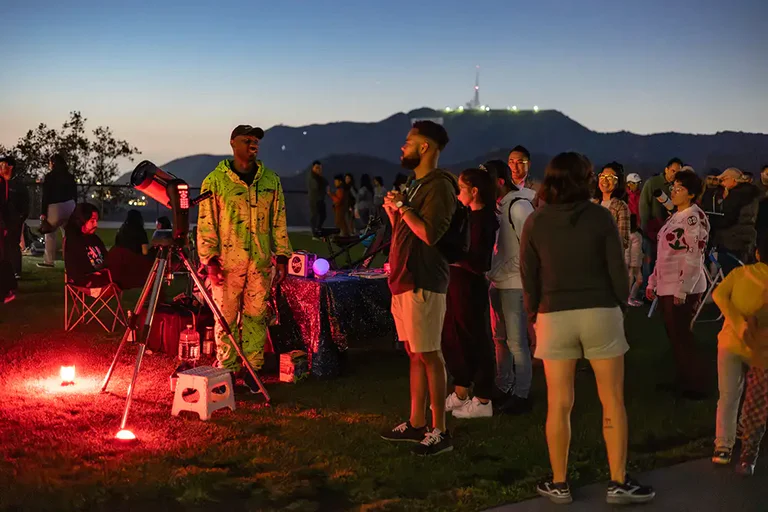
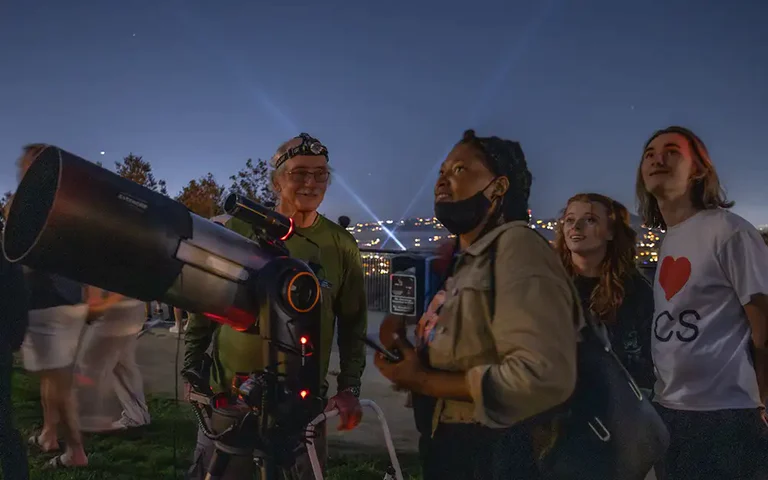
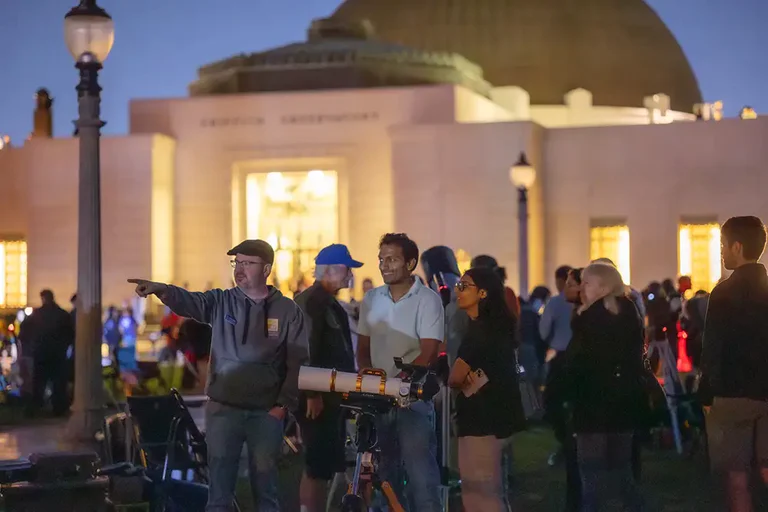
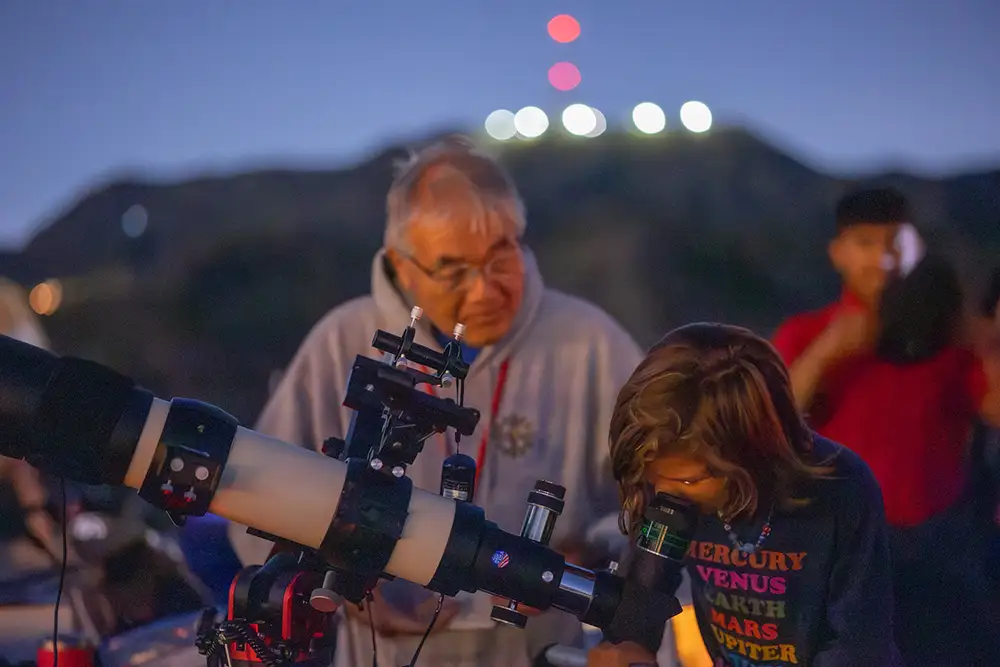
While the Griffith Observatory doesn’t offer the darkest skies (it sits in the middle of LA), it’s one of the best-equipped and most beloved astronomy resources in SoCal. The Griffith team publishes an annual meteor shower guide on their website, covering peak timing, moon phase conditions and hourly rate estimates. For the 2026 Perseids, they rate viewing conditions as excellent, with a new moon and virtually zero moonlight interference all night long. The observatory itself is free to enter, with telescopes open to the public most evenings. It’s a great place to start your night, grab the overview and check the sky report. Then, drive up to the San Gabriel Mountains for your actual viewing.
Griffith Observatory
2800 E Observatory Rd
Los Angeles, CA 90027
213.473.0800
T–F, noon–10 p.m.; Sa–Su, 10 a.m.–10 p.m.
Inland Empire / Mountains
9. Stars and Star Parties at 6,752 Feet
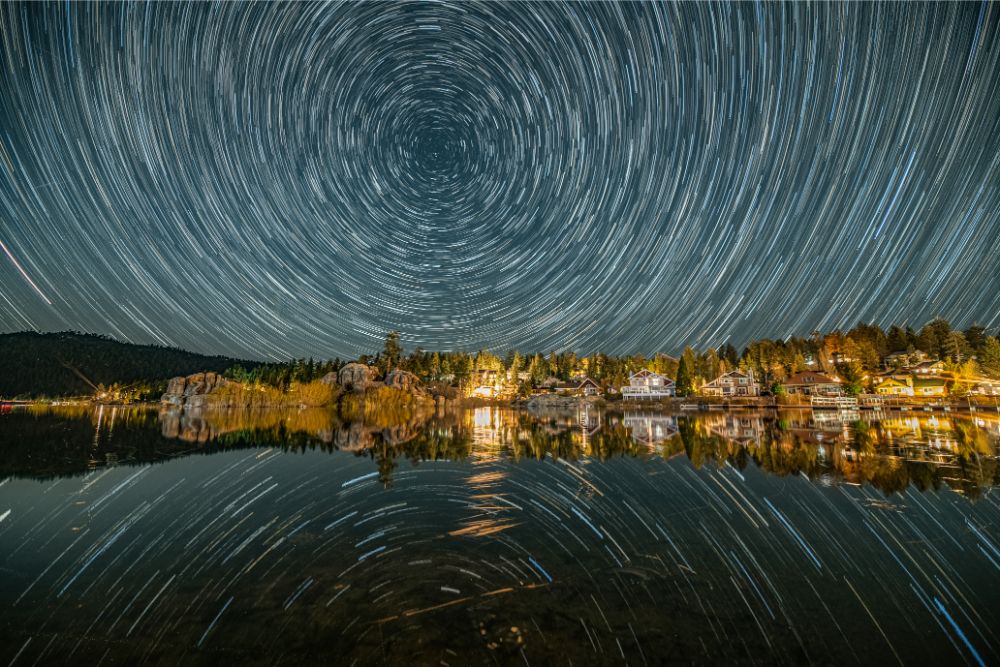
Big Bear Lake sits at nearly 6,800 feet in the San Bernardino Mountains, above the Los Angeles Basin’s light pollution, and the astronomy community here takes the night sky seriously. On Aug. 8, the Big Bear Valley Astronomical Society hosts its free annual Perseid Star Party at Ski Beach Park from 7 to 10 p.m., with club telescopes set up, local astronomers on hand and a moonless sky overhead. The town also hosts SkyFest Big Bear, an expanding multi-day dark sky festival in partnership with DarkSky International that features astrophotography workshops, NASA speakers and nighttime Sky Chair rides to the summit of Snow Summit. Ski Beach Park itself sits right on the edge of the lake with open skies in every direction.
Ski Beach Park
41216 Park Ave
Big Bear Lake, CA 92315
909.866.9700
Hours vary; check bigbear.com for updates

Desert
10. Comet Country

Joshua Tree National Park is one of the most celebrated stargazing destinations in California, holding an International Dark Sky Park designation since 2017. Spanning the Mojave and Colorado deserts, the park’s sky, clear desert air and absence of urban glow make it exceptional for the Perseids. Top spots within the park include Cap Rock, Ryan Mountain, Hidden Valley and Quail Springs: all part of the park’s certified dark zone. The Perseids peak here around Aug. 12–13, and during peak season the park extends visitor center hours. Cell service is essentially nonexistent inside the park, so download maps and any apps before you arrive. Bring water, pack out your trash and get there before sunset. Parking fills up fast on peak nights.
Joshua Tree National Park
Check website for park entrances
760.367.5500
Daily, 24 hours (entrance fee required)
11. Cool Nights, Dark Skies and More Meteors Per Hour
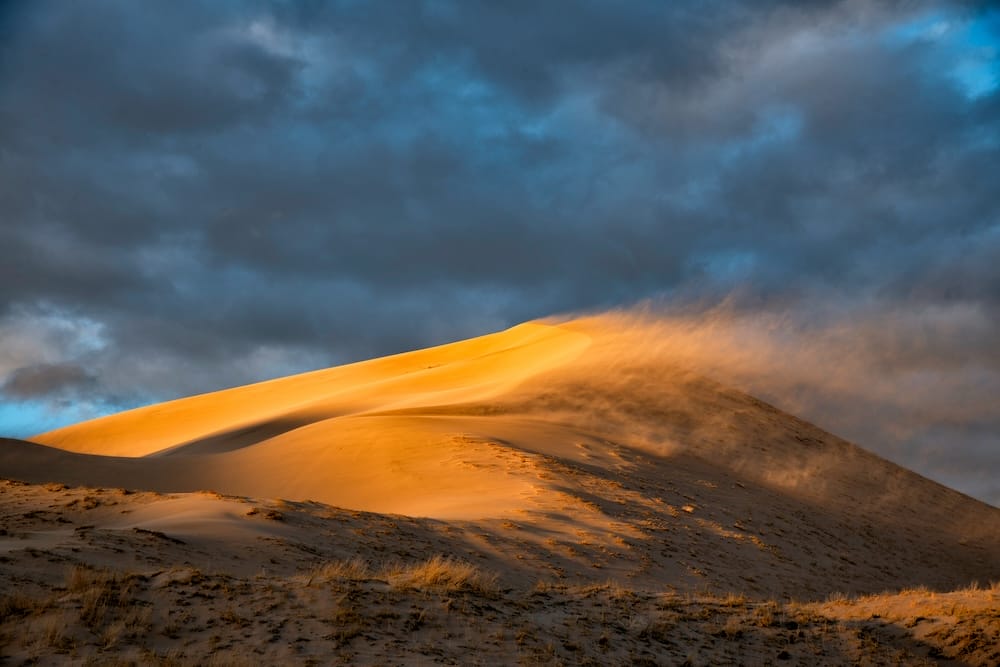
Elevation is everything when it comes to August stargazing, and few SoCal spots deliver like Mojave National Preserve. The Mid Hills Campground sits at 5,600 feet, where temperatures drop significantly compared to lower desert floors, making August nights manageable. The preserve covers 1.5 million acres of dramatic landscape (Kelso Dunes, volcanic craters and Joshua tree forests) and holds its own Dark Sky Park designation for minimal light pollution. Both Mid Hills and Hole-in-the-Wall Campgrounds are reservable via Recreation.gov, though some sites remain first-come, first-served. The Hole-in-the-Wall Information Center is open Friday through Monday, 10 a.m. to 4 p.m. Outdoor areas are open 24 hours. No entrance fee required.
Mojave National Preserve
Check website for park entrances
760.252.6100
Outdoor areas: Daily, 24 hours
Hole-in-the-Wall Information Center: hours vary seasonally; check the website
12. The Darkest Sky in America
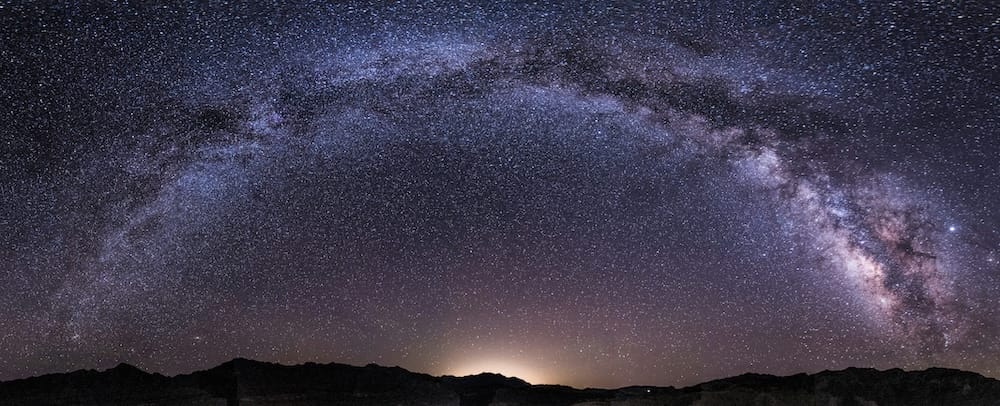
Death Valley National Park holds a Gold Tier Dark Sky Park designation from the International Dark-Sky Association, the highest possible rating for darkness. The park spans 3.4 million acres. It’s the largest dark sky national park in the country with skies that reach Bortle Class 2, meaning the Milky Way casts a visible shadow. In 2026, conditions are exceptional. The Perseid peak on Aug. 12–13 coincides with a new moon. Plus three showers overlap (the Alpha Capricornids, Southern Delta Aquariids and the Perseids), creating a rare multi-shower window. Badwater Basin, Mesquite Flat Sand Dunes and Zabriskie Point are the top viewing locations in the park. Book the Perseid peak weekend early.
Death Valley National Park
Check website for park entrances
760.786.3200
Daily, 24 hours (entrance fee required)
Q&A
Q: When does the Perseid Meteor Shower peak in 2026?
A: The Perseids peak on the night of Aug. 12 into the predawn hours of Aug. 13. The shower is active from mid-July through late August, so you can catch shooting stars for several nights before and after the peak. In 2026, the peak coincides with a new moon, meaning ideal conditions.
Q: Where is the best place to watch the Perseid Meteor Shower in Southern California?
A: For the darkest skies, Death Valley National Park (Gold Tier Dark Sky designation), Anza-Borrego Desert State Park (International Dark Sky Park) and Joshua Tree National Park (International Dark Sky Park) are the top picks. For something more accessible, Big Bear Lake and Angeles National Forest are excellent closer-to-home options.
Q: Do I need special equipment to watch the Perseid Meteor Shower?
A: No. Telescopes and binoculars actually limit your field of view. The Perseids are best seen with the naked eye. Lie flat on your back, give your eyes 20 to 30 minutes to adjust to the dark and scan the full sky. A red-light flashlight helps navigate without ruining your night vision. A blanket and patience are your most important gear.
Q: What time is best to watch the Perseid Meteor Shower?
A: Peak viewing is between midnight and 4 a.m., with rates climbing as the radiant (the constellation Perseus in the northeast sky) rises higher. You can start watching as early as 10 p.m. and still see action, but the best display comes in the predawn hours.
Q: Is the Perseid Meteor Shower free to watch?
A: Most viewing locations are free or low-cost. National parks like Joshua Tree and Death Valley charge entrance fees. Anza-Borrego Desert State Park may charge a day-use fee at certain campgrounds. Griffith Observatory has free admission. Big Bear Valley Astronomical Society star parties are free to the public.